
Home of the Largest Golden Dorado – the Parana River
September 26, 2022
Home of the Largest Golden Dorado
the Parana River
Beginning its life in southern Brazil, the mighty Parana River flows south through Paraguay and Argentina for over 3000 miles. It is the second largest river system in South America (yielding only to the Amazon in reach), fourth longest in the world, and the number one biomass producing river on earth. Most of that biomass comes from the central and lower portions of the river that envelope huge flood plains for a good part of the year.
The central floodplains provide the ideal ecosystem for untold numbers of plants, fish, and amphibious creatures to multiply, as it transforms during the flood cycles into a protected nursery for predator and prey fish species alike. One species in particular, the Sabalo, which is the only one capable of filtering nutrients from the silt and mud river bottom, is the keystone for the survival of other predatory fish.
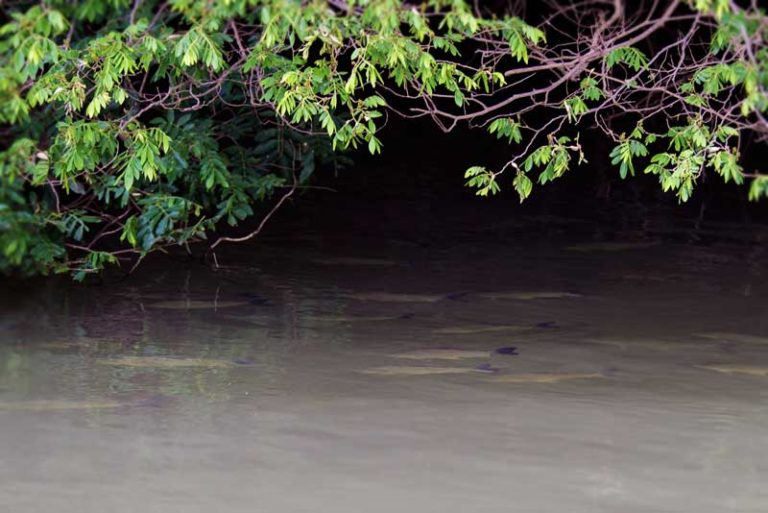
As the Parana flows through Brazil, its waters are interceded repeatedly by a series of dams that negatively affect the natural balance of the ecosystems over the first 900 miles of river. These successive dams have a dramatic impact on the Golden Dorado population, as well as other migratory species, during the times of year when they move north along the river to reproduce.
Once the river reaches Argentina, it faces only one more obstacle, the Yacyretá Dam. This reservoir is relatively new, having been completed in 1994, and reached its maximum level in 2009. Beyond this dam the river runs freely for another 750 miles before connecting with the La Plata River, and the volume of water that eventually flows into the Atlantic Ocean is roughly equivalent to that of the Mississippi River delta.
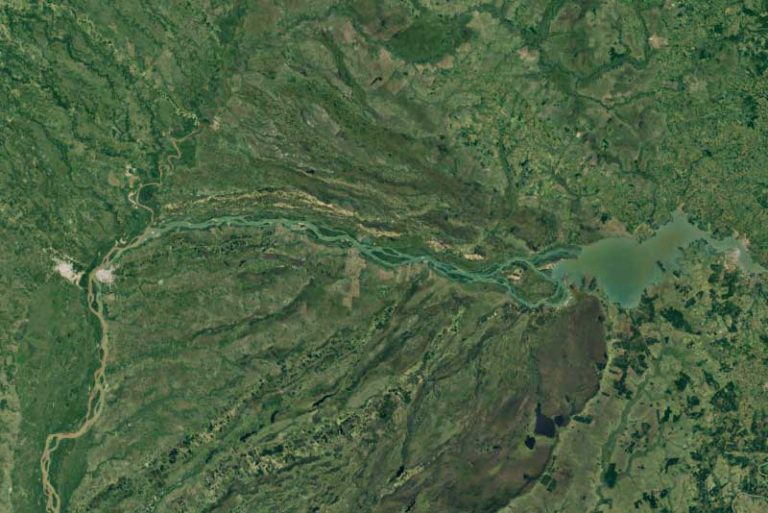
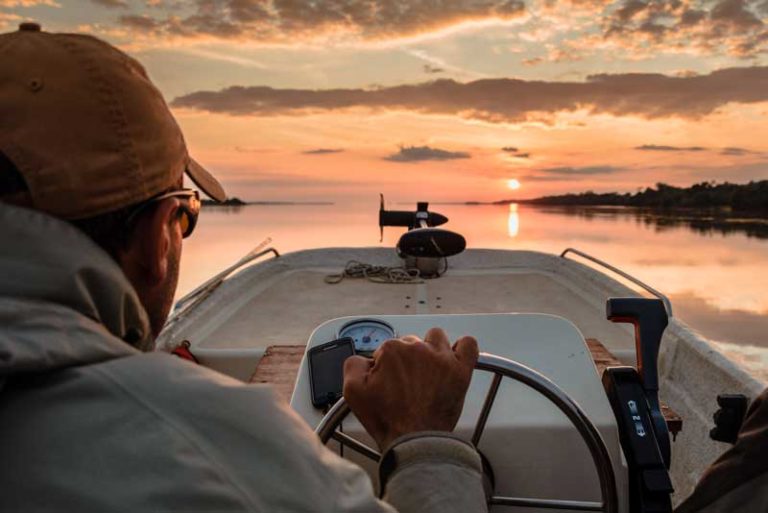
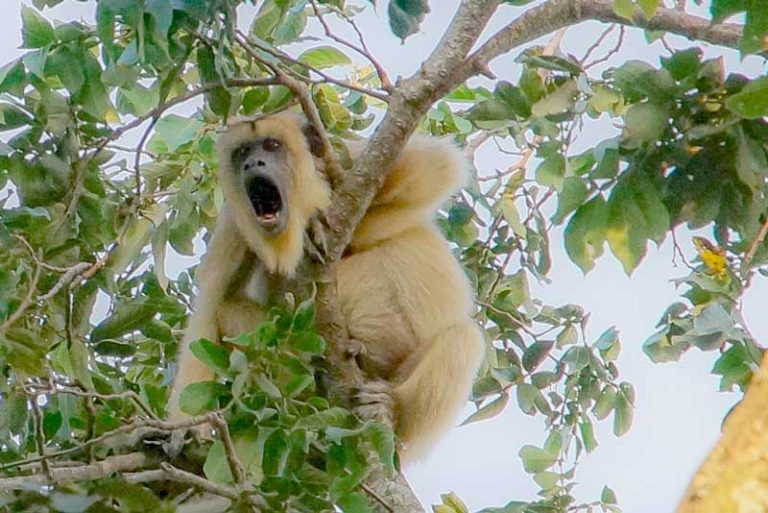
What is known as the Upper Parana River, starts below the Yacyretá Dam and flows in an east to west direction until it connects with the Paraguay River. This is a highly distinctive section of the river that runs in a narrow strip through and around densely covered jungle and islands inhabited by monkeys, toucans, and wildlife typical of jungle ecosystems.
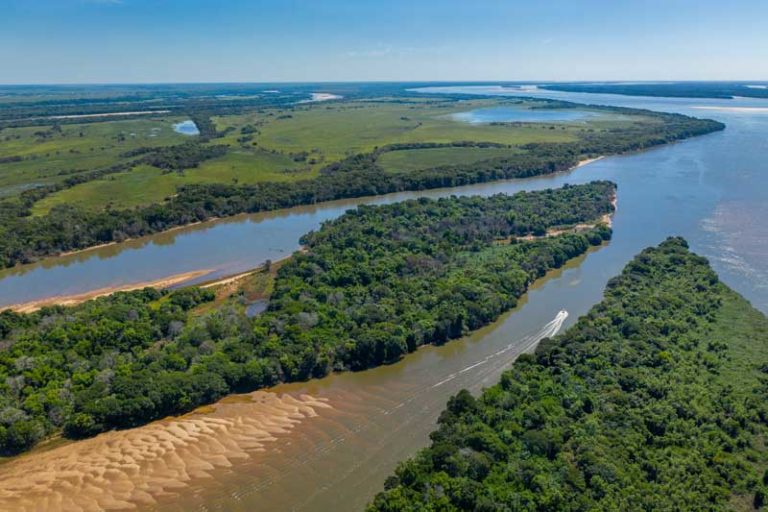
There are numerous effects the dams have on the river, including on the water clarity in the river below, which turns out to be very beneficial for fly fishermen chasing the largest of the Golden Dorado that this section of the Upper Parana holds. The clear, stable water conditions are precisely the reason why we chose this region as the home for our Itati Lodge.
To date, we have only covered the waters that drain into the Parana system from southeast Brazil, but another large part of the basin is fed from south central Brazil, starting its journey at the largest wetland in the world, El Pantanal. Draining into the Paraguay River, this watershed runs 2150 miles to the Atlantic Ocean and is the longest free running water in the world, with no interruptions from dams.
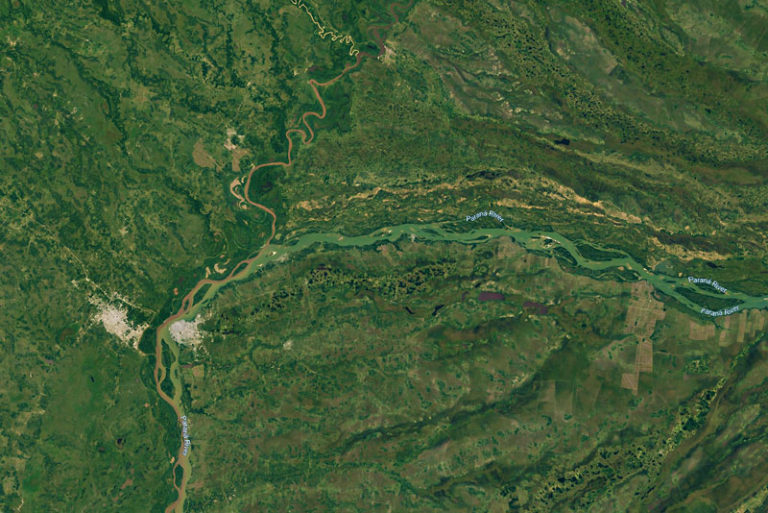
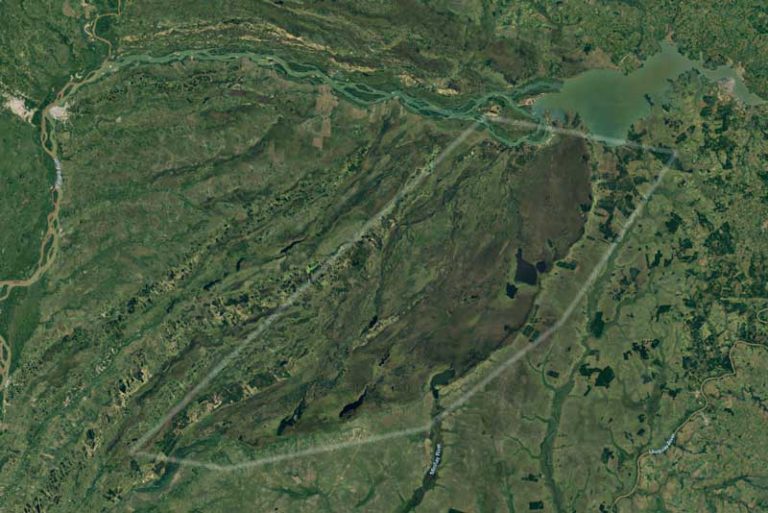
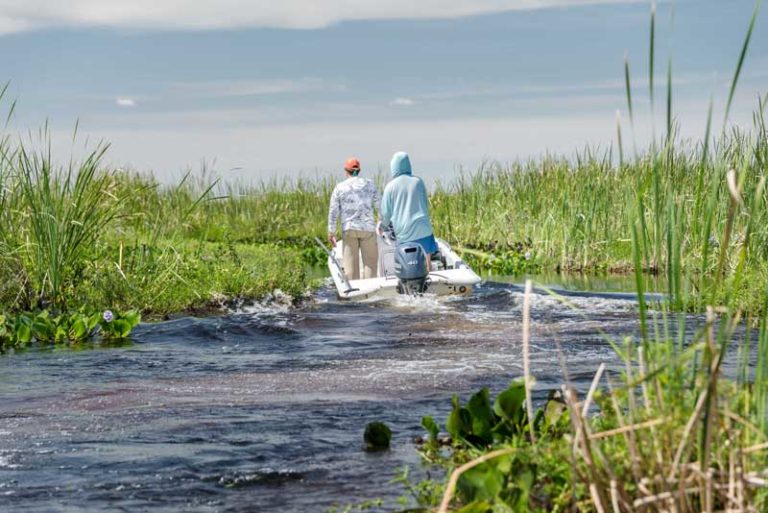
In addition to the Parana River Basin holding the largest wetland in the world, it also contains the second largest, the Iberá Wetlands. The Iberá occupies over 4630 square miles, fully one-third of the Corrientes Province, and drains into the Parana through the Corrientes River. The wetlands were created over 10,000 years ago when the Parana River made a sudden change in direction from southwest to straight west (where the Yacreta Dam now stands) and the abandoned river bottom grew into wetland habitat.
Other golden dorado articles
Recreational fisheries are incredibly complex social-ecological systems. They can involve a wide range of stakeholders and rightsholders, including anglers, lodges, fishing stores, tackle manufactures, local and regional governments, and indigenous communities. Given that fish and water do not live by…
My cast landed in the slick area right before the water narrowed down between some swamp grass. If this were a pool on a stream, we’d call it the tailout. It was textbook ambush water, the kind of place you’d…
Directed by our beloved Max Erickson — the heart behind After You’ve Gone and our Spring Creek Lodge film —, this new Fly Lords film takes you through the heart of Corrientes. From the powerful waters of the Upper Paraná,…
Few fish deliver the raw power and excitement of Golden Dorado. Known for their strength, acrobatics, and brilliant golden scales, they’re unlike anything else in the world of fly fishing. If you’ve been curious about Golden Dorado but haven’t taken…
Dustin Carlson isn’t just a passionate fly angler—he’s someone who’s built a life around chasing fish in wild places. Raised on trout streams in the Rockies and obsessed with streamer eats, his journey has taken him from muskies and carp…
A Unique Chapter of the Golden Dorado Program The Iberá Wetlands are unlike anywhere else — a living, breathing Eden filled with wild nature. It's a place that surprises even the most seasoned travelers.This leg of your journey begins and…
For those who love adventure on the water, Jetu'u Lodge offers more than just exceptional fly fishing; it invites you to explore a rich cultural tradition deeply rooted in Argentina. Located near the serene landscapes from Santa Lucia to Esquina…
Catch-and-release can be an effective way to reduce impacts on recreationally targeted species, however just claiming “I already practice catch-and-release” isn’t good enough. There is a growing body of science that shows that how an angler fights, handles, and releases…
The first half of the Golden Dorado season at our lodges was nothing short of spectacular. Between September and December 2024, we welcomed 163 guests to our Golden Dorado lodges, and together we landed an impressive 5,441 Golden Dorado. That’s…
We understand that every angler is unique, with their own vision of the perfect fishing adventure. That’s why we’re excited to guide you to the best locations in Argentina for Golden Dorado fishing—places that are not just about the fish,…
Imagine waking up to the sound of rippling waters, the fresh air filling your lungs, and the excitement of a fishing adventure waiting for you. For most, the saying "A bad day of fishing is always better than a good…
Golden dorado are an iconic fish species of Neotropical watersheds. They are fierce predators that likely play an important ecological role in the waters they inhabit. Of course, their explosive strike, leaps, and beautiful colors put them on the bucket…
If you’re going to travel all the way to Argentina, it makes sense to make the most of it. That’s the idea behind this program—a true cast and blast that pairs the explosive power of Golden Dorado fishing with the…
The thrill of fooling Golden Dorados with flies lies in the incredible visual action we witness with every strike, whether using a streamer fly or a topwater fly pattern. To succeed in catching Golden Dorado, our expert guides have curated…
For the past few years, a heavy heart hung over us at Set Fly Fishing. The once-majestic Ibera Wetlands, a haven for anglers and a vital ecosystem, had fallen victim to a historic drought. The lifeblood of the region dwindled,…
This question used to be a simple one to answer. Now, with the 3 separate destinations available in the Golden Dorado Experience it’s a bit more complex, but worth studying because of the variety of conditions where you can target…
Hi friends! We are finishing another fabulous spring Dorado season and this time with an extended Golden Dorado Experience, the first one after the inclusion of Jetu'u Cabanas de Esteros to the family of our lodges. And, there were many…
Some of you may now; Rachel Finn has been an ambassador and great friend for SET for several years now. She has been hosting groups regularly to all our lodges for golden dorado and trout.Last year we had the opportunity…
Also known as “Carlitos”, he has been a part of The Golden Dorado Experience since the beginning. He has accumulated more hours on the water chasing Dorados than any guide could wish for, and his knowledge about the species and…
The Golden Dorado Experience by SET Fly Fishing was recently completed with the addition of a third lodge, Jetu’u Cabañas de Esteros. But given that the lodges are all within a 55-minute flight of each other, some might wonder how…