Why A Coalition for the Conservation of Golden Dorado?
April 13, 2026
Recreational fisheries are incredibly complex social-ecological systems. They can involve a wide range of stakeholders and rightsholders, including anglers, lodges, fishing stores, tackle manufactures, local and regional governments, and indigenous communities. Given that fish and water do not live by political boundaries, conservation efforts can require agreements related to policies and management that protect fish and their habitats. Many recreationally targeted fish species are also data deficient, meaning that we do not have a full understanding of their biology and ecology, such as their movement patterns and where they reproduce. Complicating the matter are the suite of environmental disturbances that fish and their home waters face, including extreme droughts, floods, habitat destruction, water diversions and dams. With that, for conservation efforts of recreational fisheries to be successful, it is imperative to find a way to rally stakeholders together so that they can collectively advocate for the future of the fish species they passionately target and that support local and regional economies.
This is exactly why the Golden Dorado Conservation Coalition (GDCC) was launched in May 2025. With growing interest in golden dorado as a target species, current and emerging threats to their populations and ecosystems, and many knowledge gaps about key aspects of their life cycle, it became apparent that there needed to be a way to unify voices of those who share a passion for the sustainable future for this iconic species. As a grassroots movement, the GDCC continues to grow organically to build capacity for science, education, outreach, and advocacy. To date, over 50 community, industry, and government partners have joined and the GDCC continues to gain momentum.
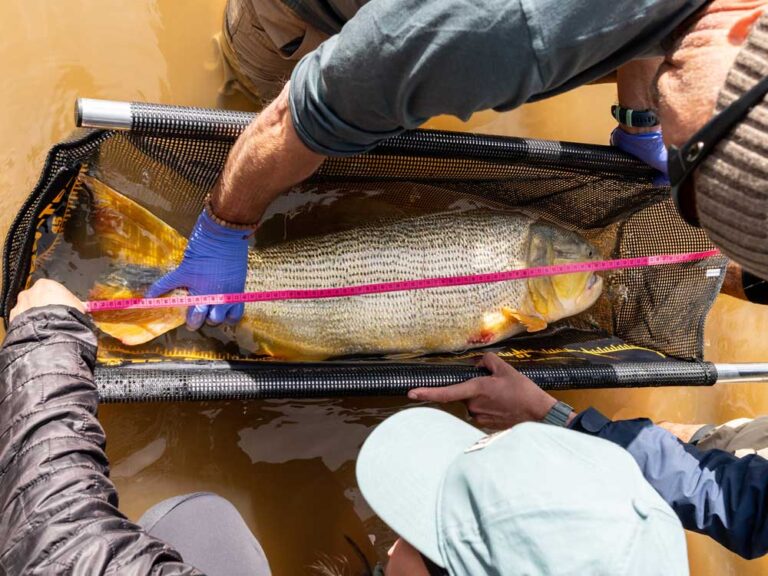
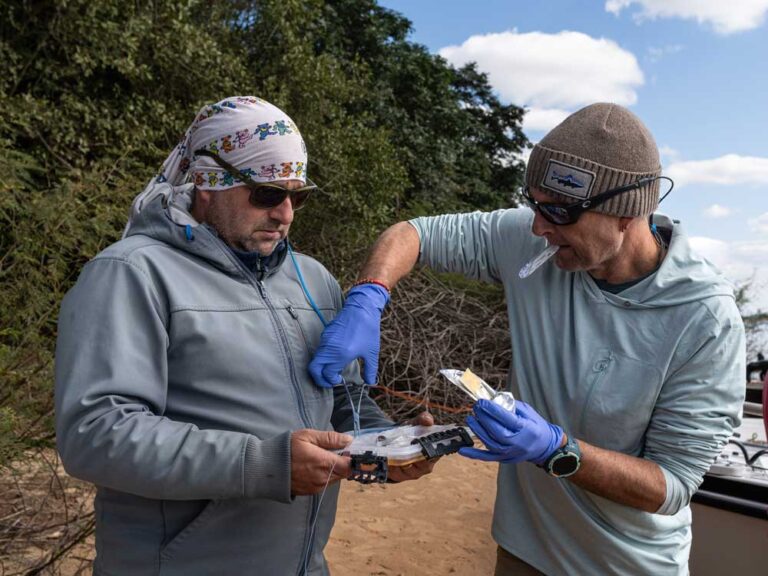
As part of the GDCC, Dr. Natalia Silva and her team from the Universidad Nacional del Nordeste (UNNE) is working directly with anglers and fishing guides, including Set Fly Fishing, to study the movement and migration patterns of golden dorado. Using a combination of individually numbered external tags and individually coded internal radio tags, they are addressing questions about whether golden dorado in the Upper Parana River stop migrating once they reach a large size. Some of the externally tagged dorado have been shown to make long migrations, spanning hundreds of miles, while the large dorado radio tagged in the Upper Parana have not moved very far from where they were captured. The radio tagging has been especially useful since this technology allows for electronic recaptures or relocating the fish as frequently as the team can get on the water to track them. This allows for the identification of subtle movements that would not be possible to detect with external numbered tags. This information is crucial for conservation, as it allows for the identification of areas along the Paraná River where site fidelity is very high – places where golden dorado establish themselves permanently once they reach a large size, making these areas particularly important as priority conservation zones.
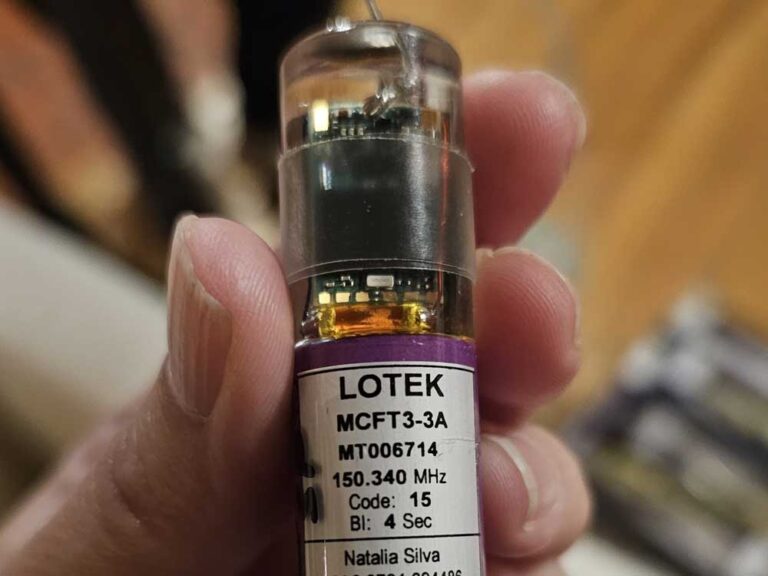
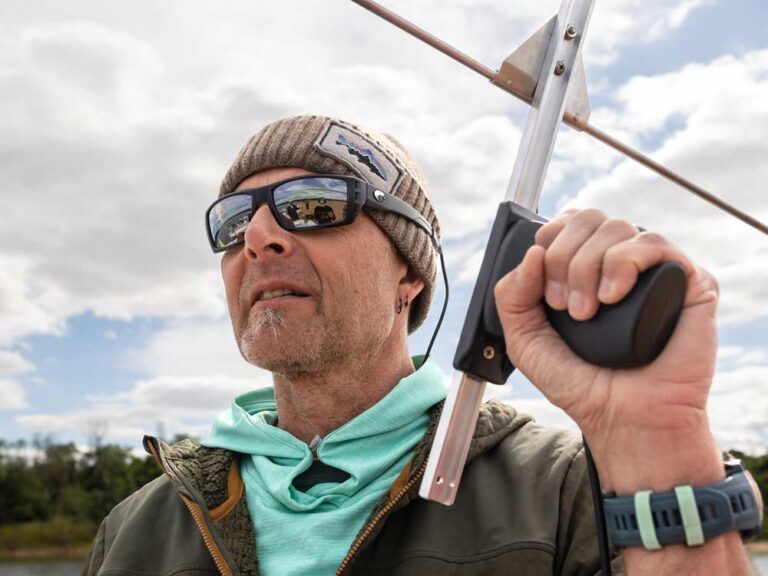
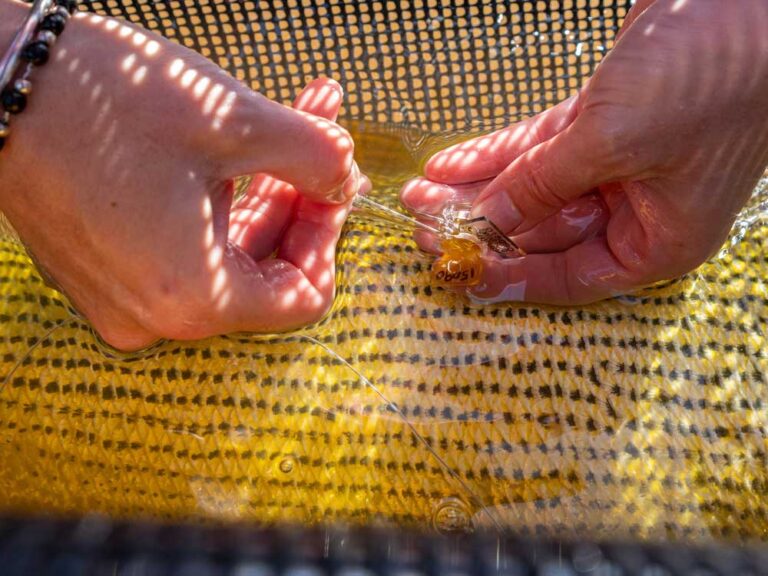
As part of the GDCC’s efforts, the preliminary results of the tagging and tracking are being shared with angling groups and local and regional goverments to highlight the potential role of golden dorado as a keystone species and to begin discussions about the potential of the Upper Parana River being a focal área for conservation. In 2026 there are plans for more radio tagging to continue to learn more about the movement patterns of the large golden dorado in this region. The GDCC will continue to invest in education and outreach to raise awarness about stakeholders can be more informed when advocating for the fish and environment they love. Please reach out to learn more about the GDCC.
For the Dorado!
The Golden Dorado Conservation Coalition is a grassroots movement created to protect the future of the Golden Dorado through collective action. It brings together regional governments, scientists, conservationists, and local communities with one goal: to build a unified voice for science, education, outreach, and advocacy.