
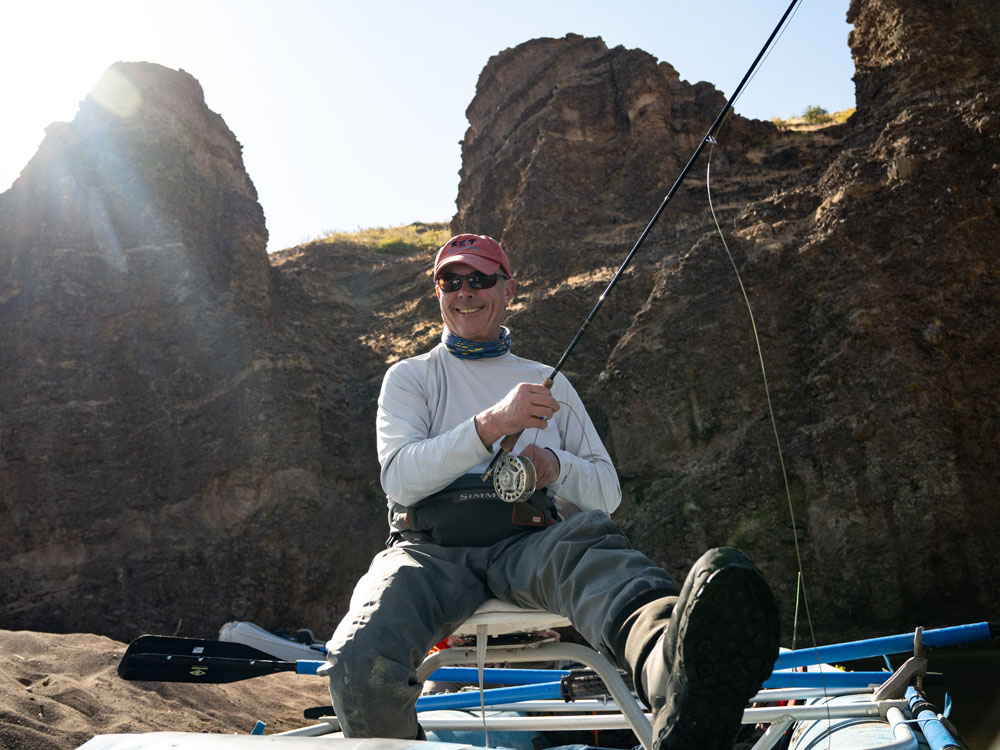
Kevin Landon has been part of the Set Fly Fishing family for nearly a decade, but it all started with a cold email and a custom trip idea. This past season, we invited Kevin to experience our new Rakin and Trocoman program in Northern Patagonia. What stood out to him wasn’t just the wild setting or the quality of the fishing — it was how remote and untouched this region still is. Here’s what he had to say.
Let’s start from the beginning — how did your connection with Set Fly Fishing begin?
In 2016, I reached out to Gustavo with an idea for a custom trip. I wanted to fish three specific rivers in Argentina, covering different sections, and mix town stays with some camping. Gustavo said, “Let’s do it.” I brought three friends, and throughout the week we had a great time — not just fishing, but connecting with the people behind the program. By the end of that trip, I felt like I’d known the Set team for years. That bond is what really set it apart, and it still holds true after almost 10 years.
You just came back from the Rakin program. What was your first impression?
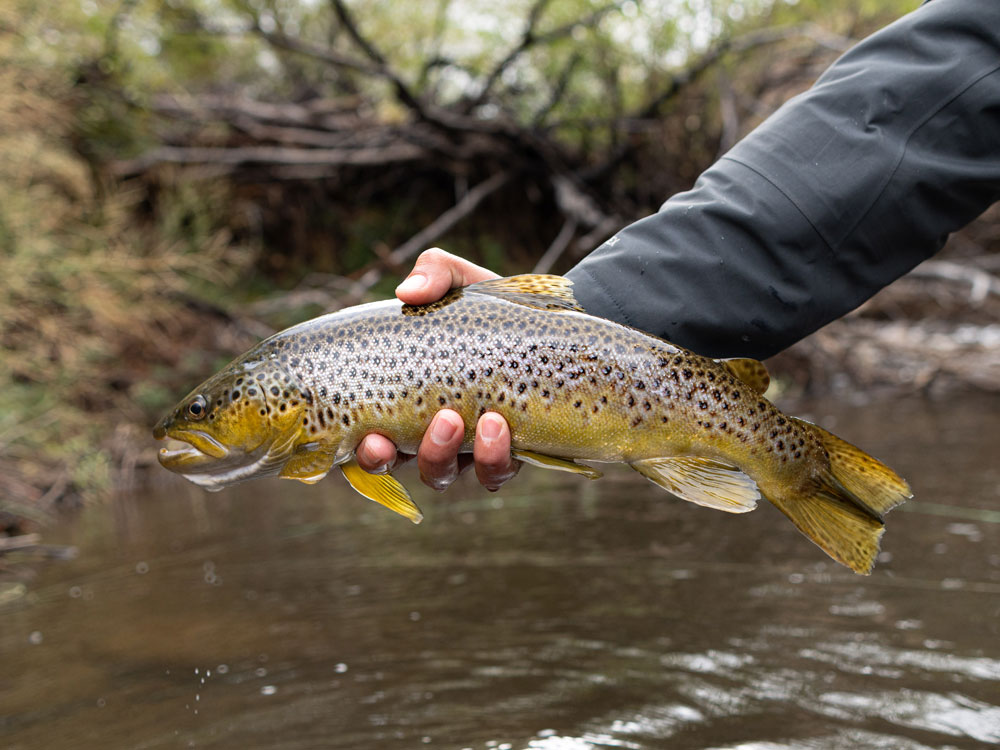
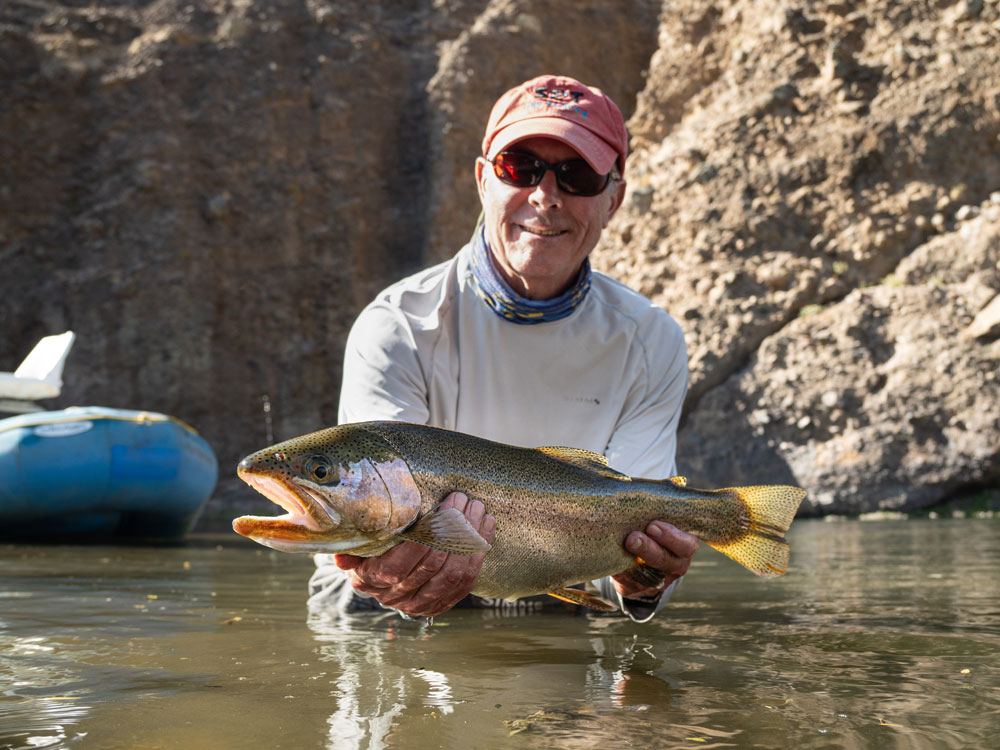
It’s honestly one of the most memorable fly fishing experiences I’ve had — and I don’t say that lightly. Dani and Franco guided me on a short afternoon session, just three or four hours long, and in that time we landed five browns and four or five rainbows over 20 inches. All on dry flies. I’ve probably replayed that day in my head every morning since.That was at Rakin Lodge. Later in the week, we headed north to the Trocoman House. The contrast between the two environments — and the fact that both were equally productive — was amazing.


How do you get to Rakin? Is the travel complicated?
Not at all — it’s pretty seamless. Most people leave the U.S. or Canada on a Thursday night and land in Buenos Aires Friday morning. You usually spend that night in the city, then catch a domestic flight on Saturday morning to San Martín de los Andes. From there, it’s about a 3 and a half hour drive north to Rakin.And here’s the best part: on your way home, you can fly back to Buenos Aires and connect directly to your international flight that same evening — no extra overnight in the city. That’s a huge advantage for people trying to maximize their time.
What’s the lodge like, and how would you describe the geography of the area?
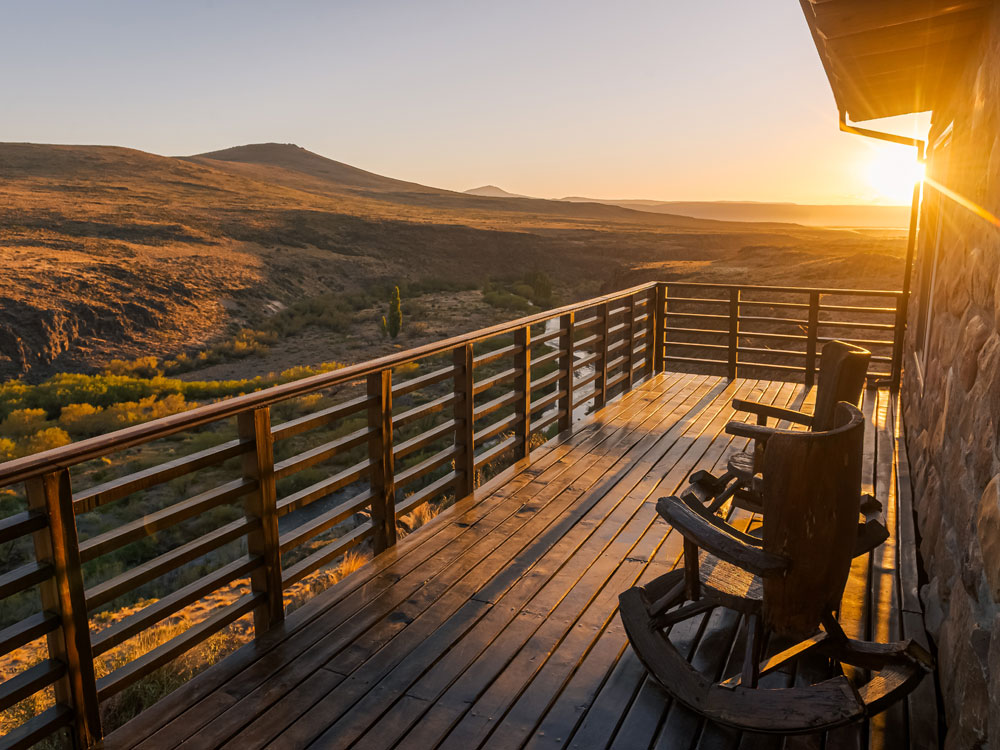
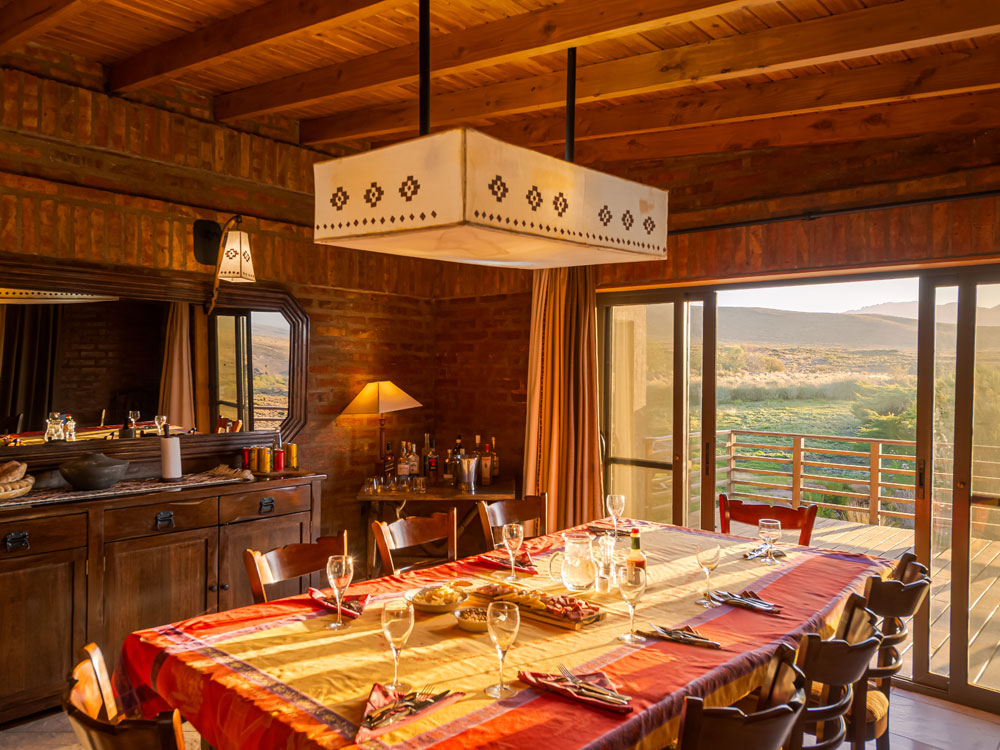
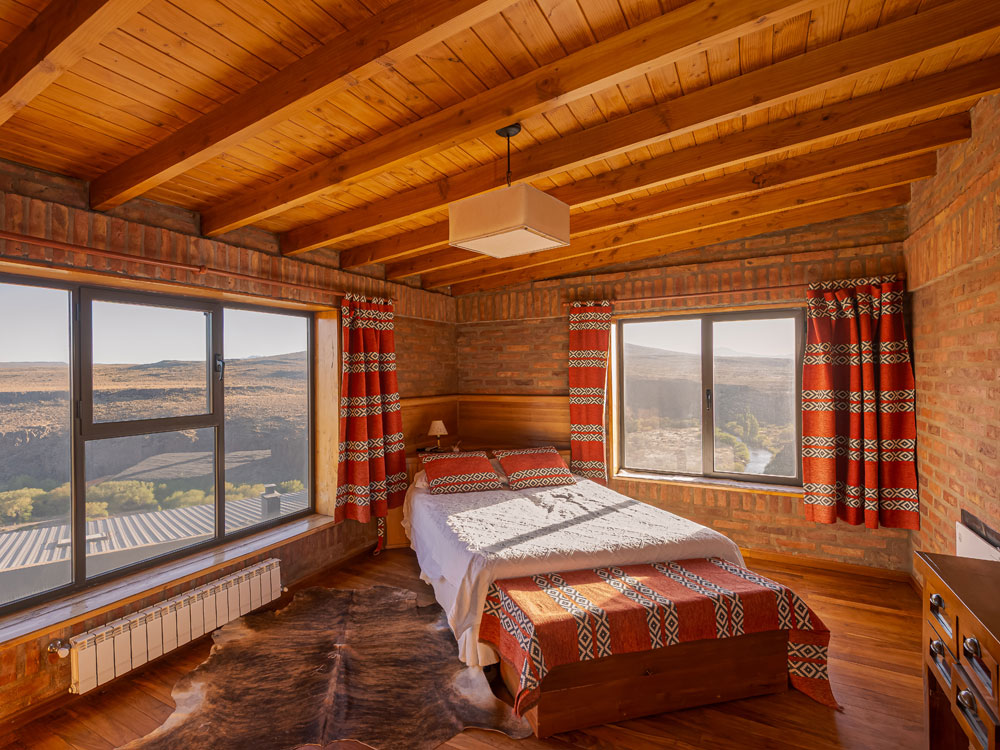
Rakin Lodge is perched on a bluff above the Codihue River, and it’s an absolutely stunning place. The building itself is clean and contemporary, but what really leaves an impression is the view. You’re standing between two worlds — the wide-open steppe to the east, and the Andes rising sharply to the west.Compared to the Spring Creek Lodge area, the geography here feels more rugged, more dramatic. The mountains are taller, the valleys deeper, and the landscape far more isolated. This isn’t a touristy region — in fact, it’d be hard to even find a hotel out here. The roads are rough, which is exactly why almost nobody fishes these waters. And yes, you’ll likely spot Andean condors gliding over the cliffs. It really feels wild.
How does Rakin compare to Spring Creek Lodge overall?
The main difference is scale. Spring Creek Lodge can comfortably host up to 16 anglers per week, while Rakin is a much more intimate setup — six guests per week is ideal. That changes the whole dynamic. It feels more personal, more flexible, and more remote.Spring Creek focuses mainly on floating with some walk-and-wade, but the Rakin and Trocoman program is almost entirely walk-and-wade, except for one float day.Both programs offer fantastic service and fishing, but the atmosphere at Rakin is quieter and more off-the-grid. It’s a different kind of week.
Tell us about the transition from Rakin to the Trocoman House. What was that like?
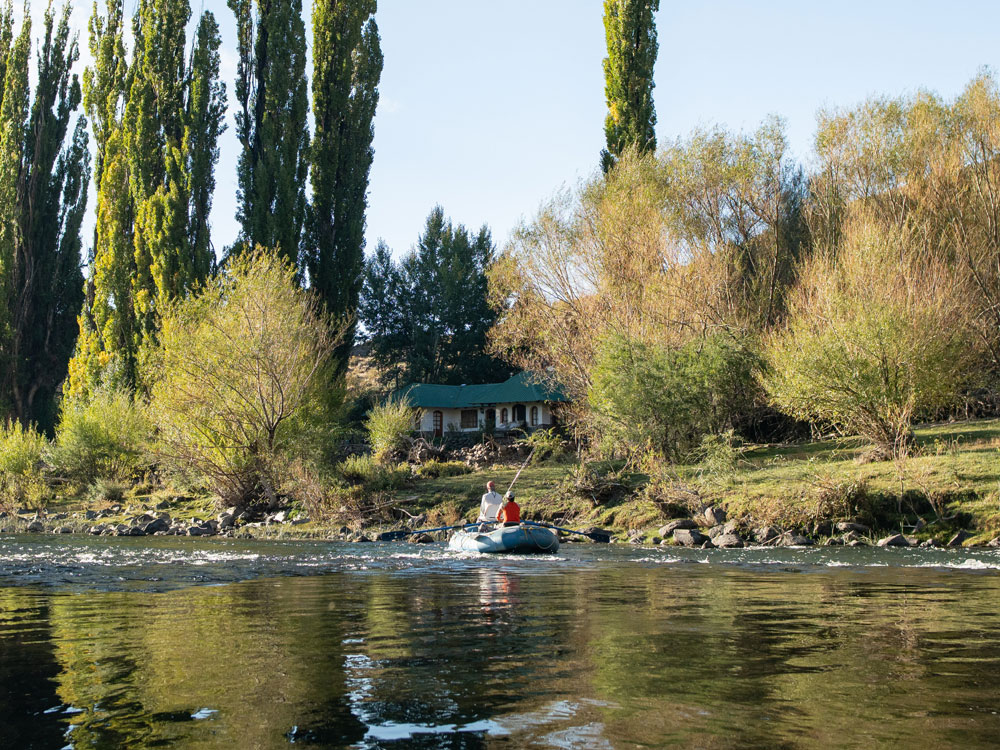
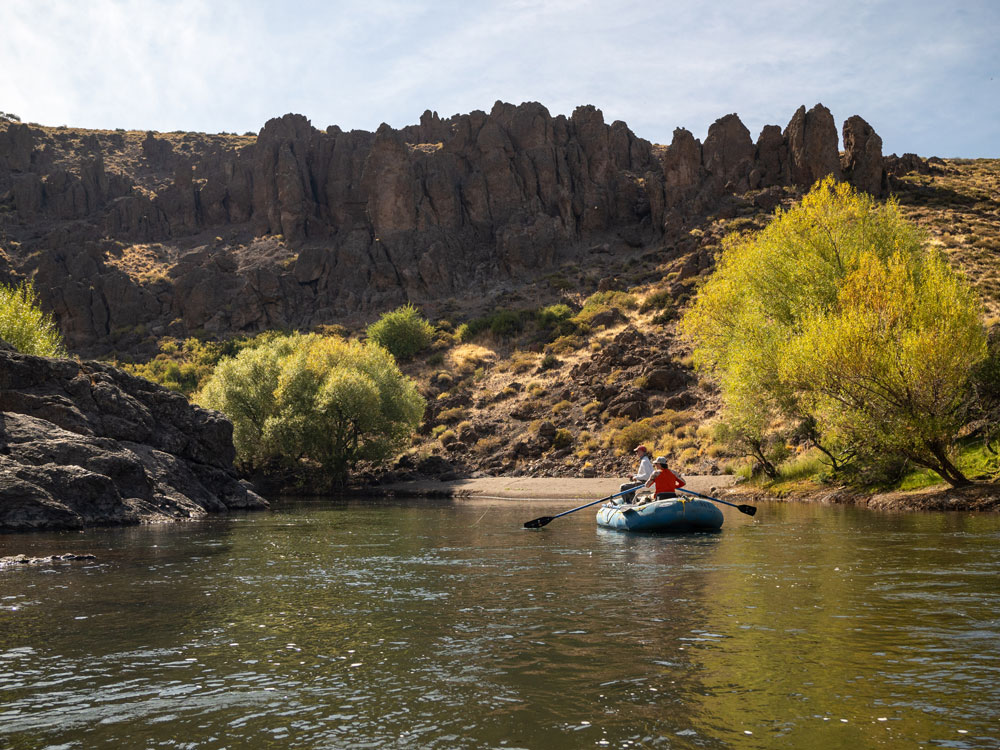
That part of the trip is a total highlight. You leave Rakin in the morning and drive about three hours north. The last stretch is real 4×4 driving — rugged, narrow roads — but that’s what makes it special. It’s not a time gap in the itinerary; it’s an immersive way to see a part of Patagonia few people ever access. You’re driving through canyons, past valleys, maybe stopping to glass some wildlife — it’s all part of the experience.Once you reach the river, the guides have the rafts ready. You float to the Trocoman House while fishing your way downstream. It’s not just transportation — it’s part of the fishing program. That float into the house sets the tone for everything that follows.
What is the Trocoman House like once you arrive?
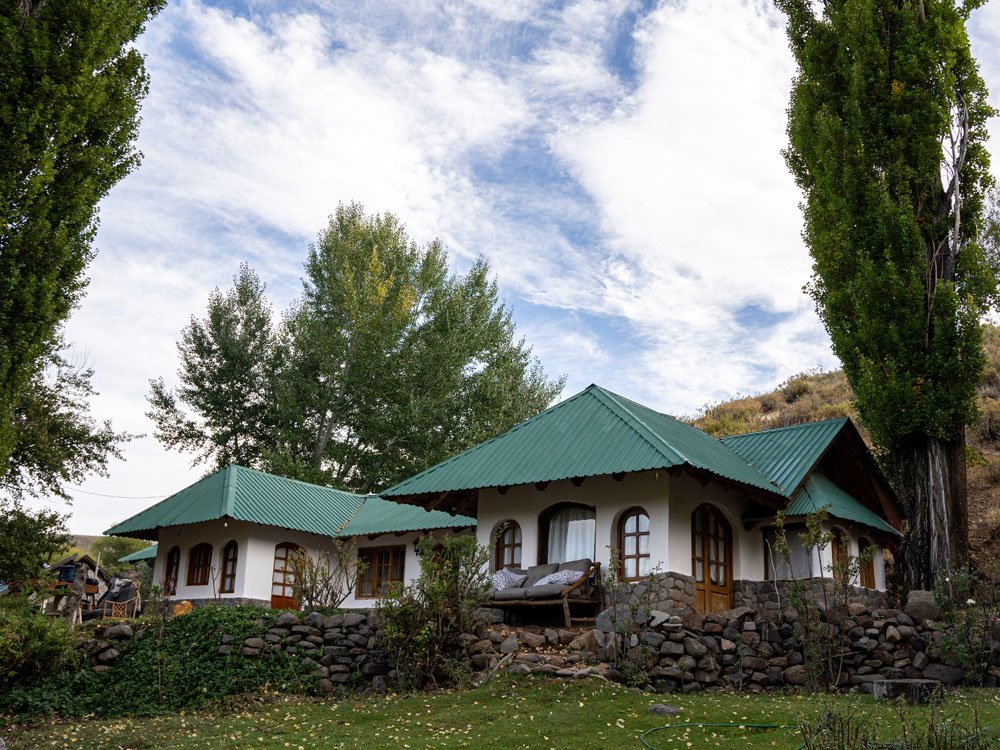
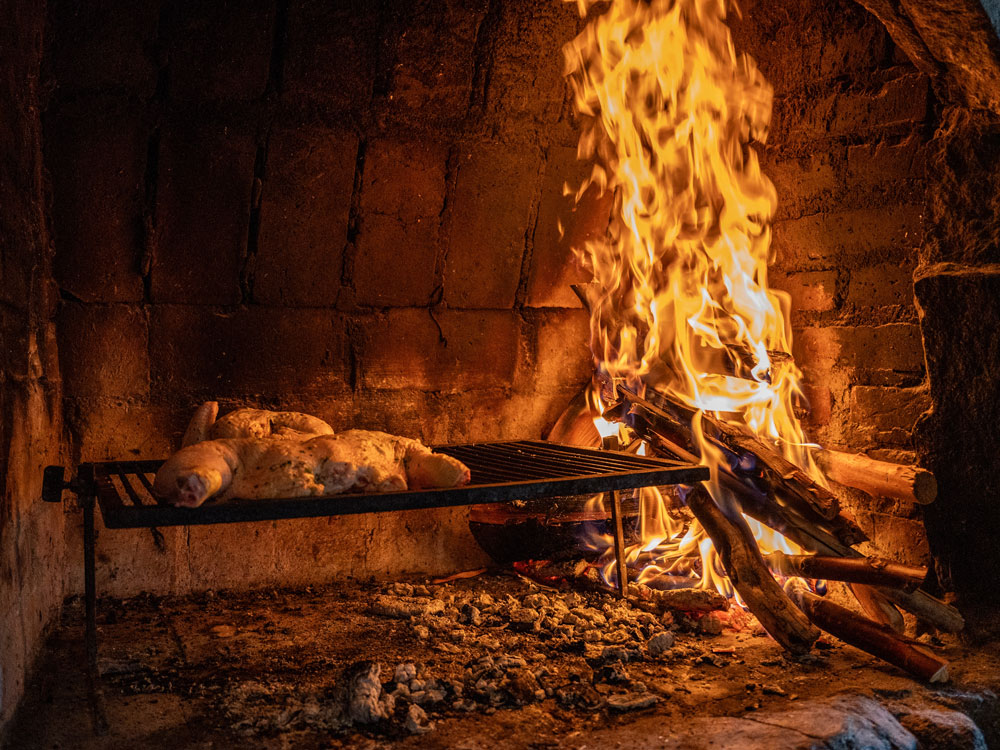
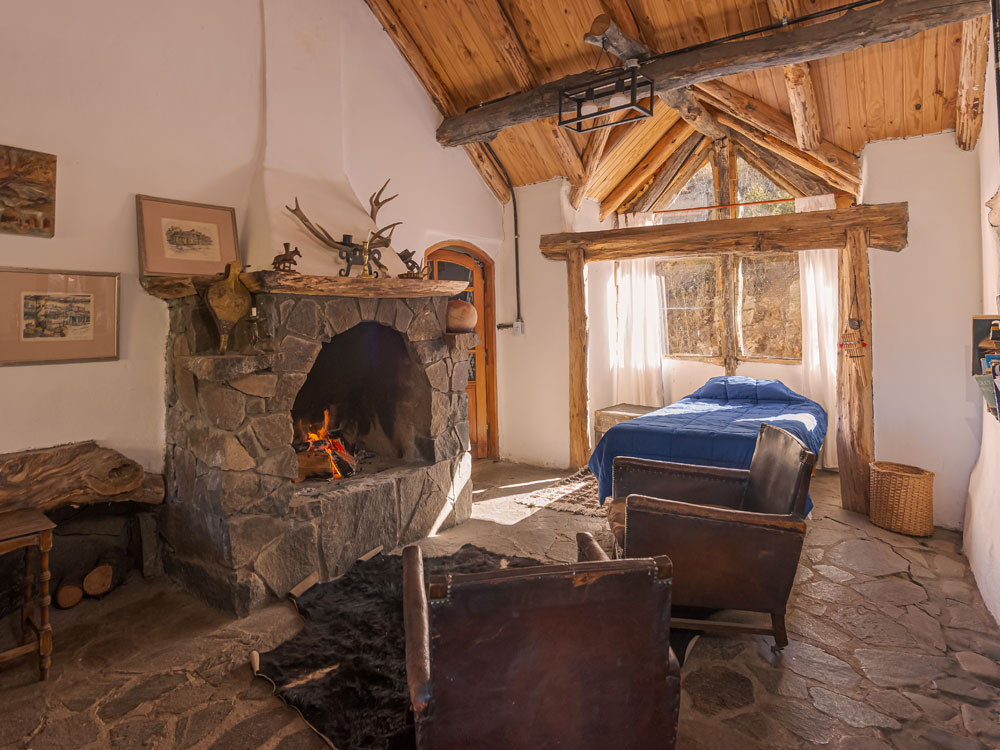
It’s a completely different feel from Rakin — simpler, smaller, and deeply special. You fish right out the door. There’s a wood-fired stove, hot showers, Wi-Fi, and food cooked over an open fire. It’s remote, but comfortable. And the exclusivity is hard to beat. The house is designed for just two guests, so it’s just you, your guide, and the river. No one else around.It’s rare these days to have an entire river to yourself, but that’s exactly what it feels like.
Let’s dive into the fishing. What systems did you fish, and how did they compare?
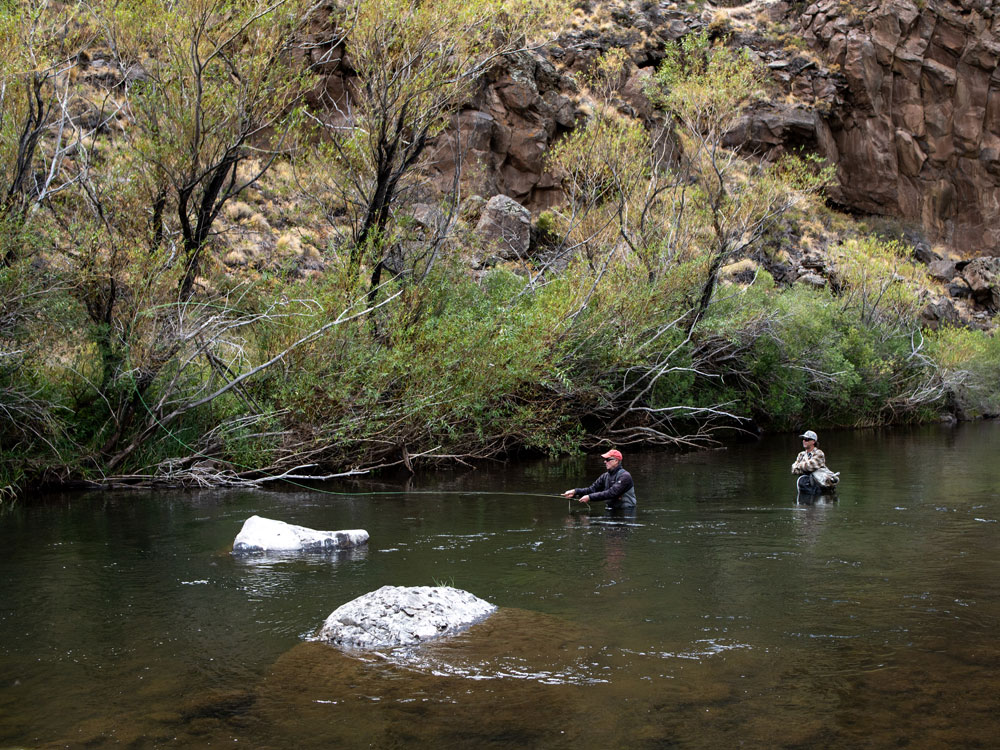
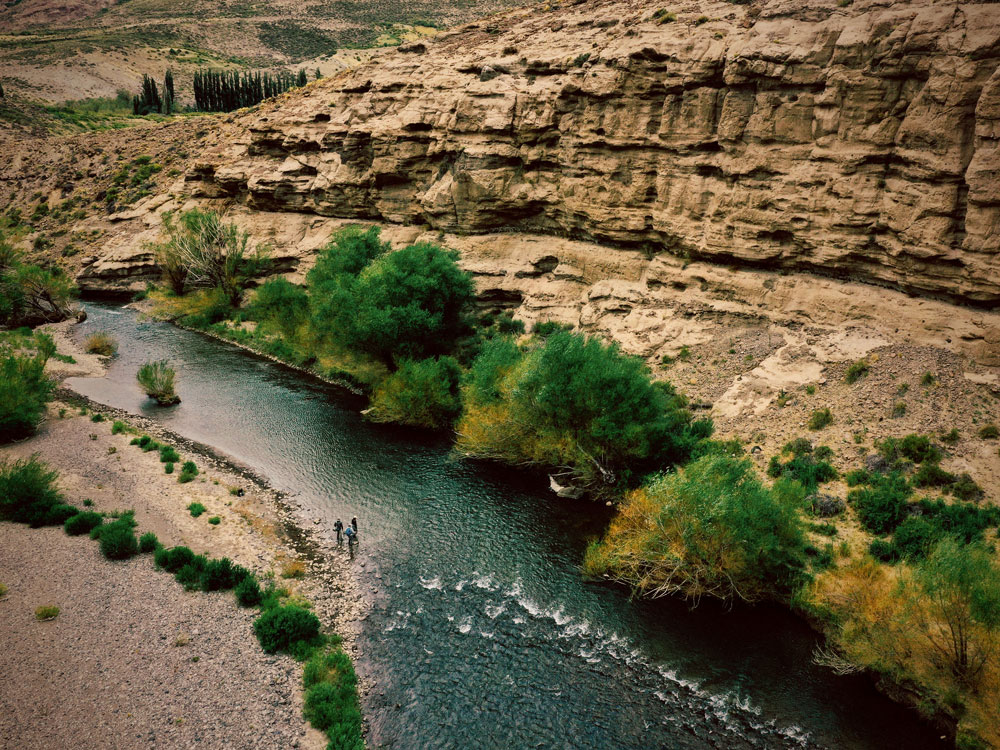
We fished three distinct systems during the week:The Codihue River, which runs below Rakin Lodge — a freestone river with canyon boulders, similar in feel to the Malleo but on a slightly larger scale.
The Trocoman River, farther north — again a boulder-filled canyon river with incredible structure and depth.
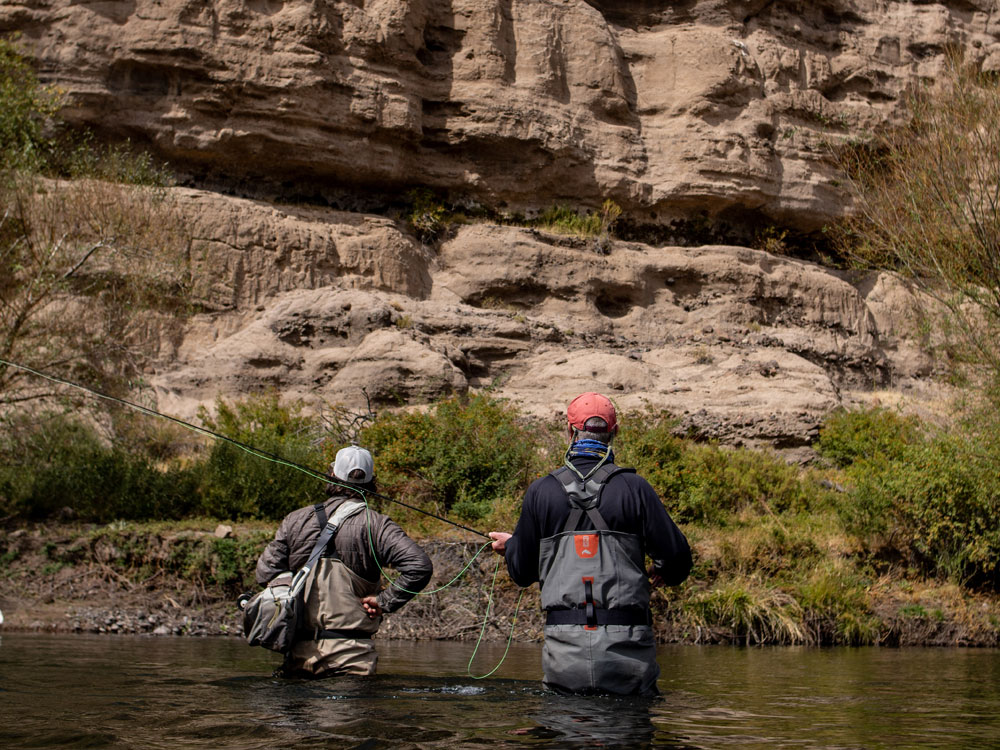
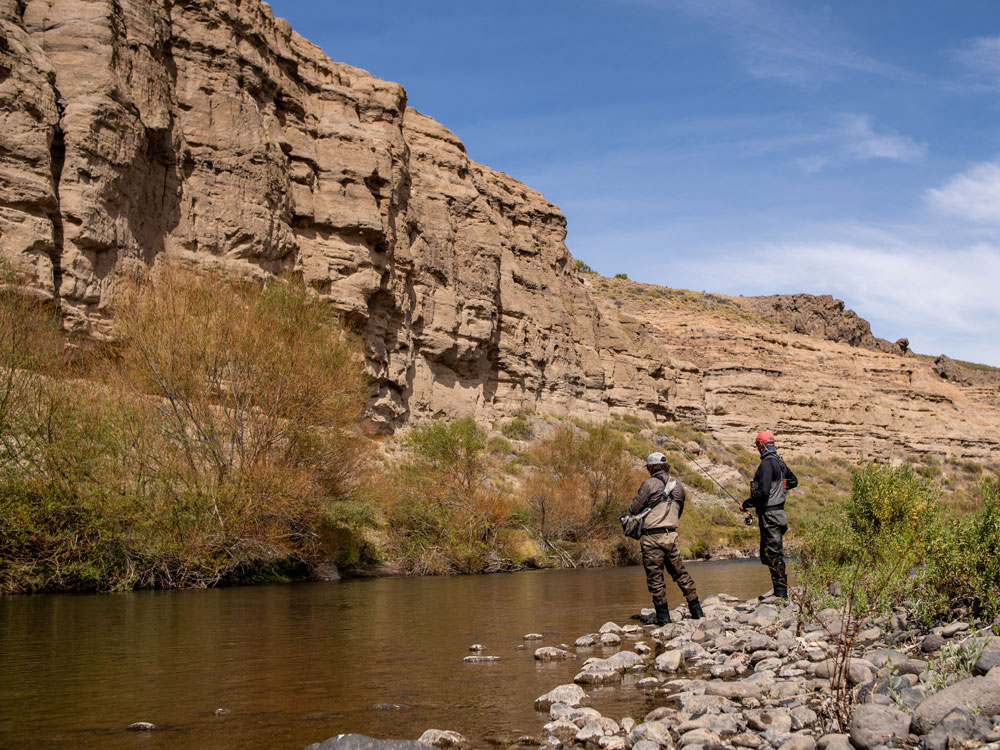
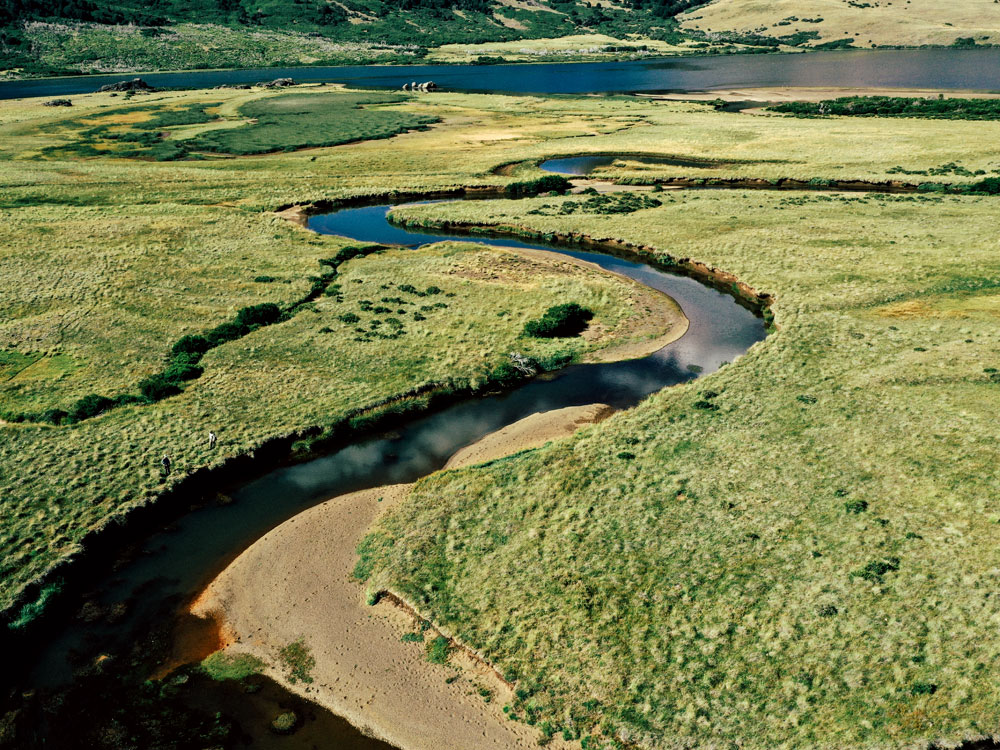
The Trolope System, a network of lagoons and spring creeks, interconnected by smaller channels.Each system has its own rhythm and challenge. The diversity of water types is incredible — from classic dry-fly drifts to slow, stealthy creek work. You’re catching brown trout, rainbow trout, and there are even chances to hook brook trout in the Trolope area.And this is key: it’s all private water. These are exclusive stretches that Set has secured access to. You’re not sharing it with anyone, and you’re not going to see another angler.
What techniques were you using throughout the week?
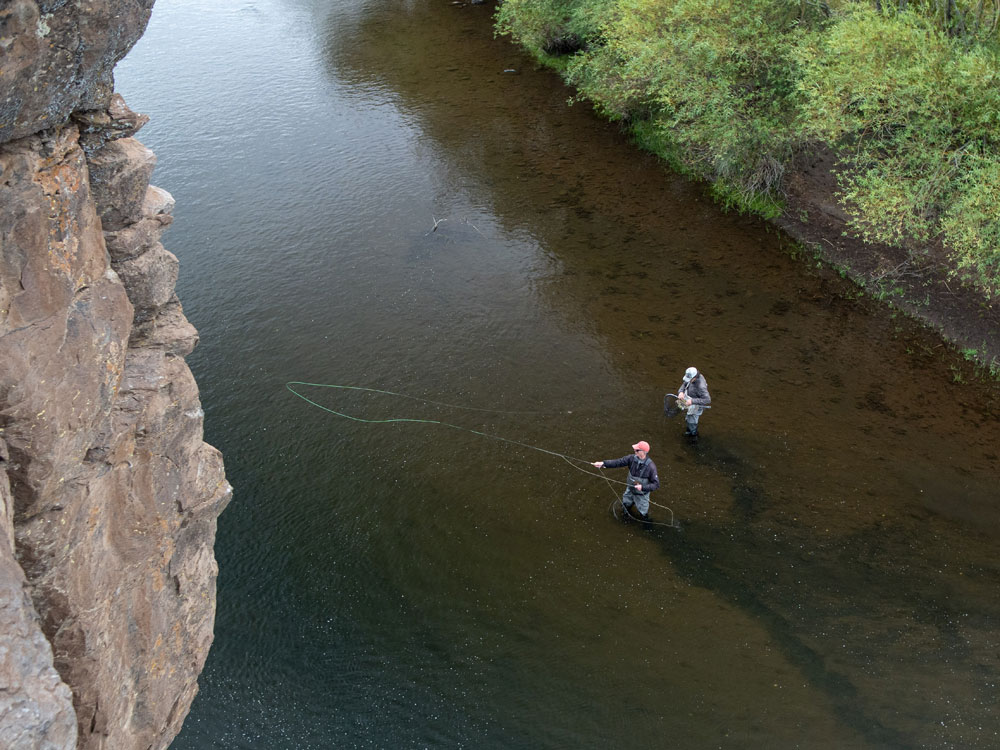
A lot of dry fly action, which I love. Hopper-dropper rigs worked really well, and we also threw streamers to target deeper runs and some big fish hiding under structure. It’s the kind of fishing where you can be technical if you want to be, but you’ll also have plenty of straightforward fun with rising fish.There are fish in every size range — small, medium, and large — and they’re strong. Whatever they are eating, they eat a lot of it. You hook into an 18-inch trout here and it’ll feel like something much bigger. The fish are healthy, thick, and full of fight.
Who would you say this program is ideal for?
This is for anglers who want to experience something beyond the typical lodge week. If you like walk-and-wade fishing, want to feel remote, and don’t mind trading some luxury for exclusivity and solitude — this program is for you.You’ll walk about two miles a day, but if you want to take it easy, both lodges give you the option to fish right out the front door. And for people who value privacy and variety, I don’t know of many programs that deliver like this one.