
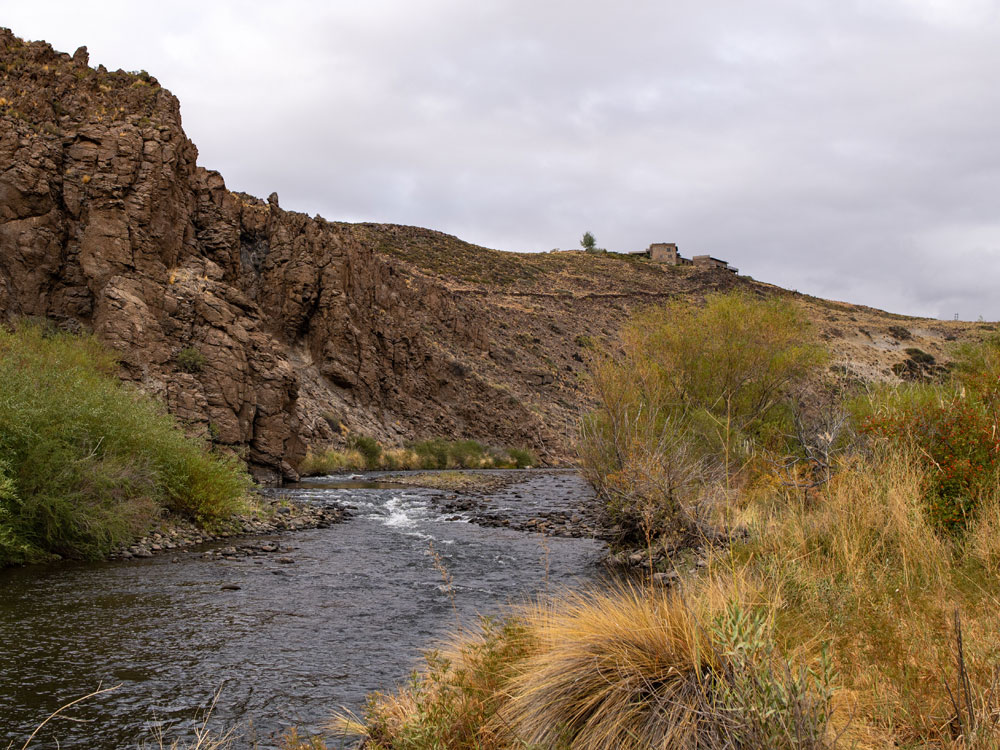
It was late March in the highlands of Northern Patagonia, the kind of afternoon that seems to belong only to this corner of the world. The Codihue River lay calm, sunlight spilling across its clear runs, willows trailing in the current, and a great boulder casting a long shadow over the main pool.
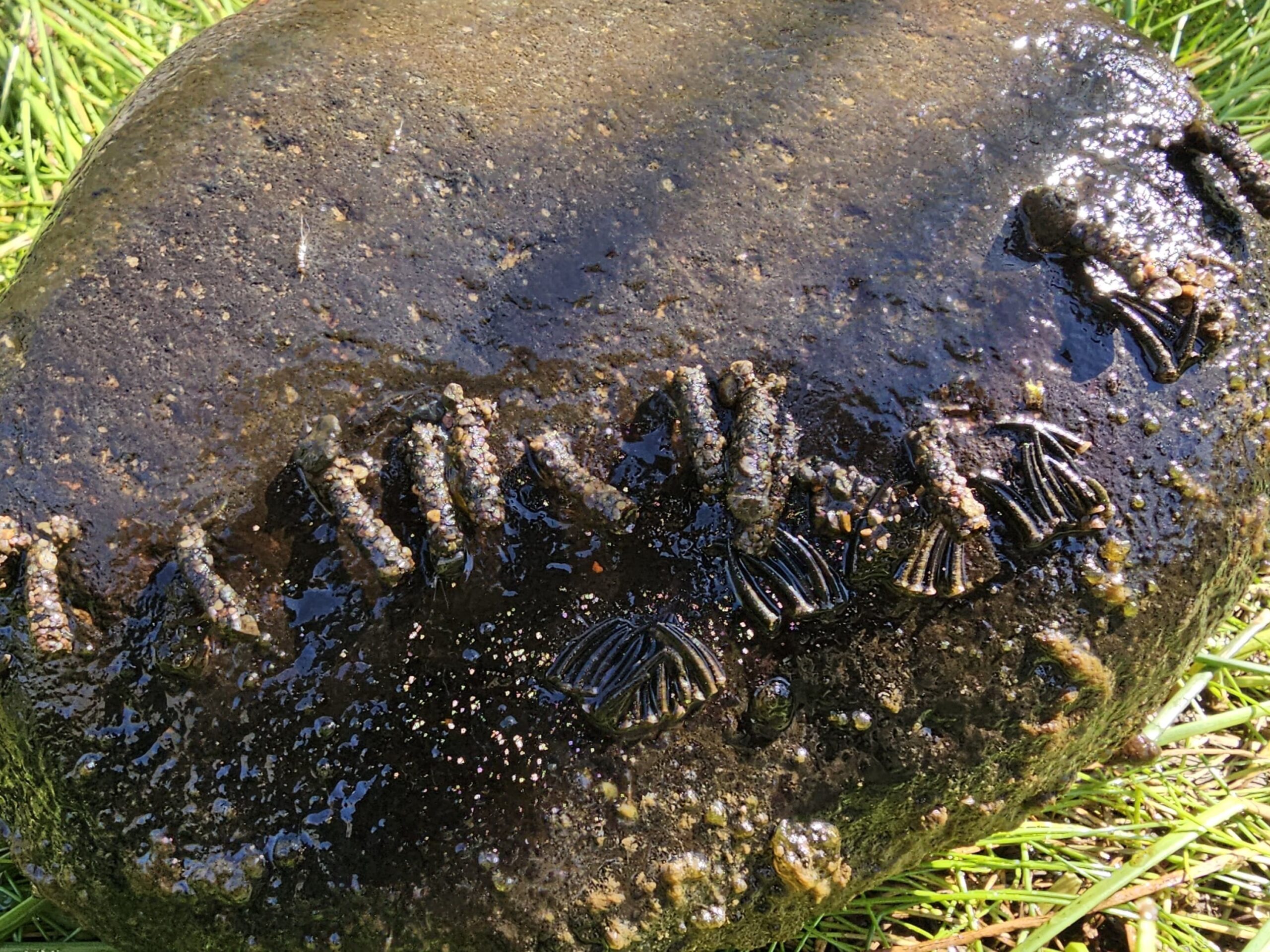
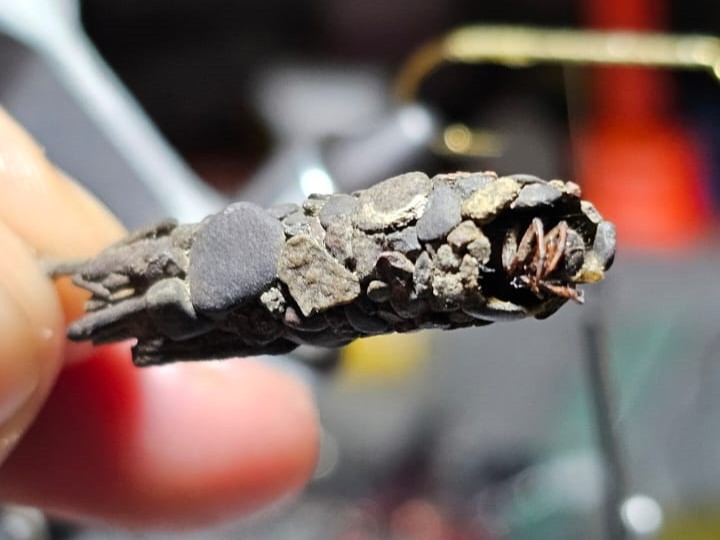
We were still in our first full season exploring the Codihue, learning its rhythms, its moods, its hidden places. I’d been hoping for weeks to see the case caddis hatch – the same insects we’d been finding in the stomach samples of the river’s browns and rainbows. They were plentiful, tucked under stones and driftwood, fat and ready for their moment.
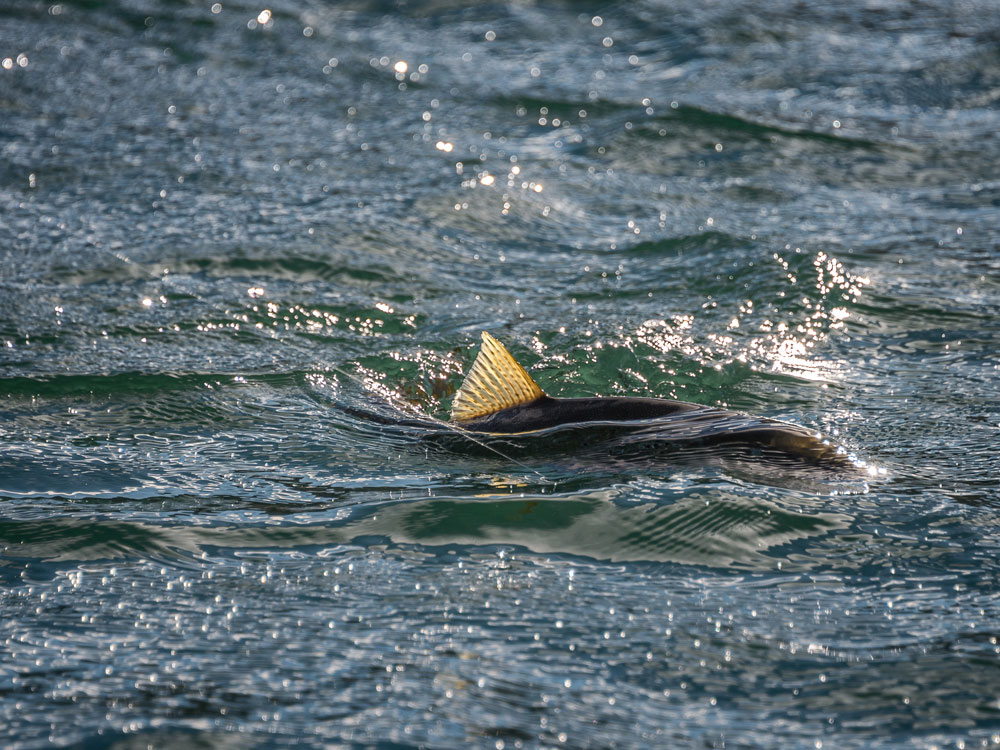
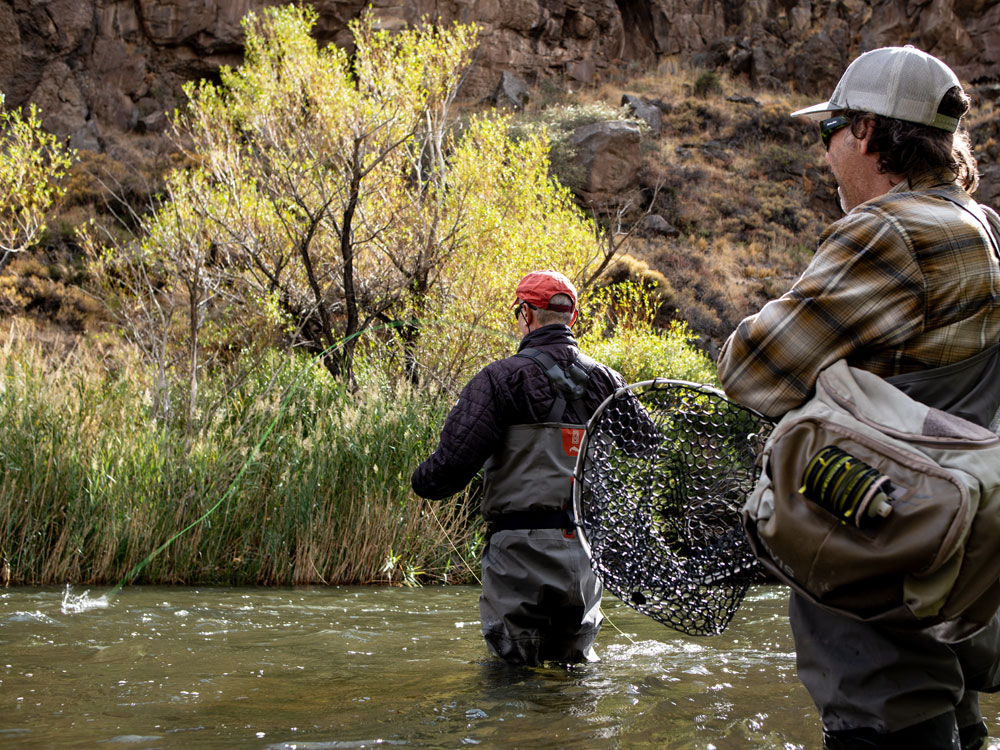
That moment came quietly. About forty-five minutes before sunset, a single trout rose. Then another. The tempo quickened until it felt like the whole river was moving. Trout that usually held tight to the undercut banks pushed into the main current, feeding boldly.
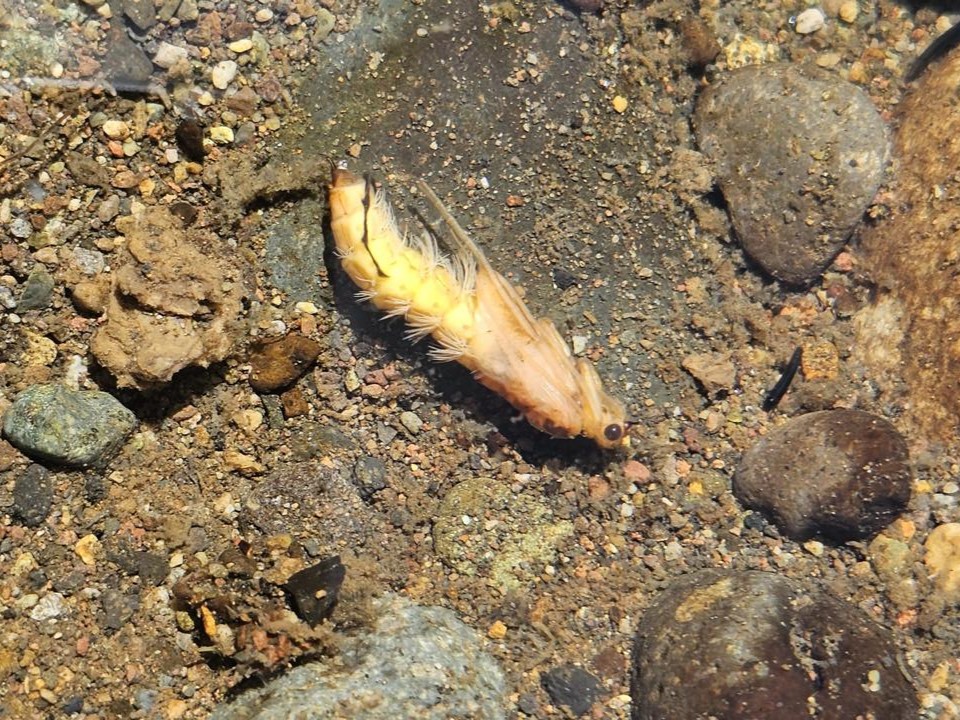
Dany and Franco were upstream, watching the slicks. Then we saw them – the caddis, with golden-straw bodies touched with orange, wings shimmering in the low light. They lifted off from the riffles and seams, erratic in flight, drawn toward the willows where they’d rest before returning to the water to lay eggs.
We didn’t have a perfect imitation tied, but orange, brown, and cinnamon PMX patterns fooled them well enough. The takes were aggressive, the fish strong and heavy from the feast – some stretching to two feet, each one a test of skill and tippet.
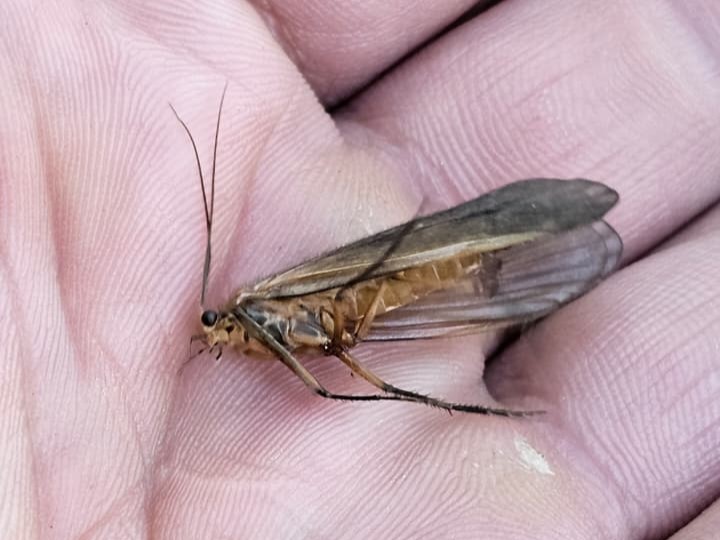
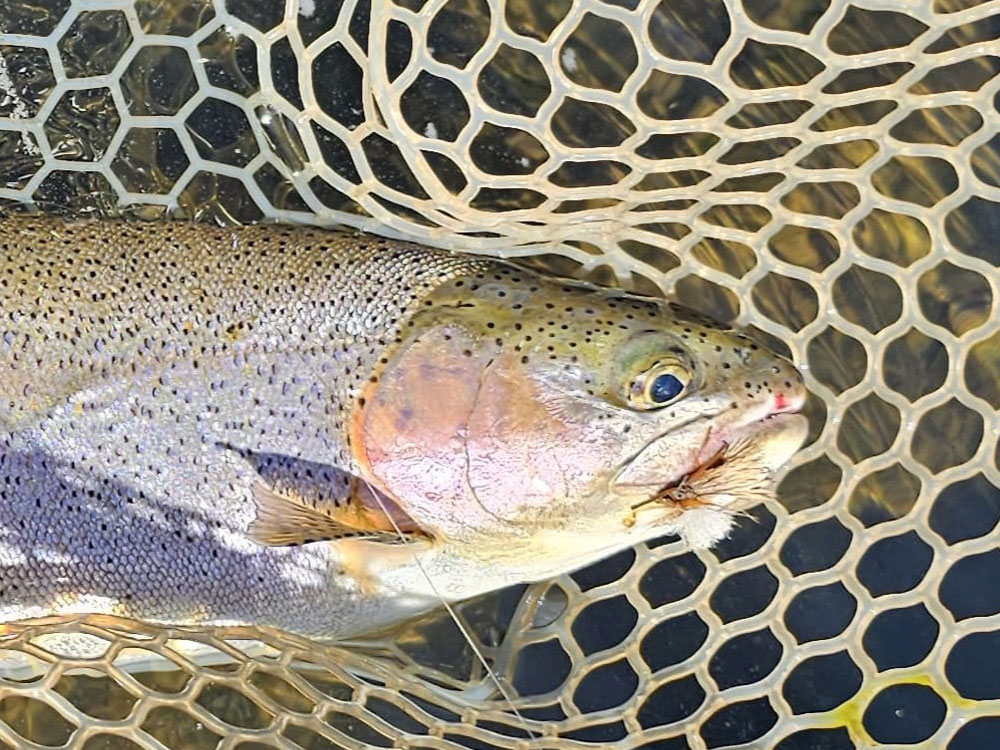
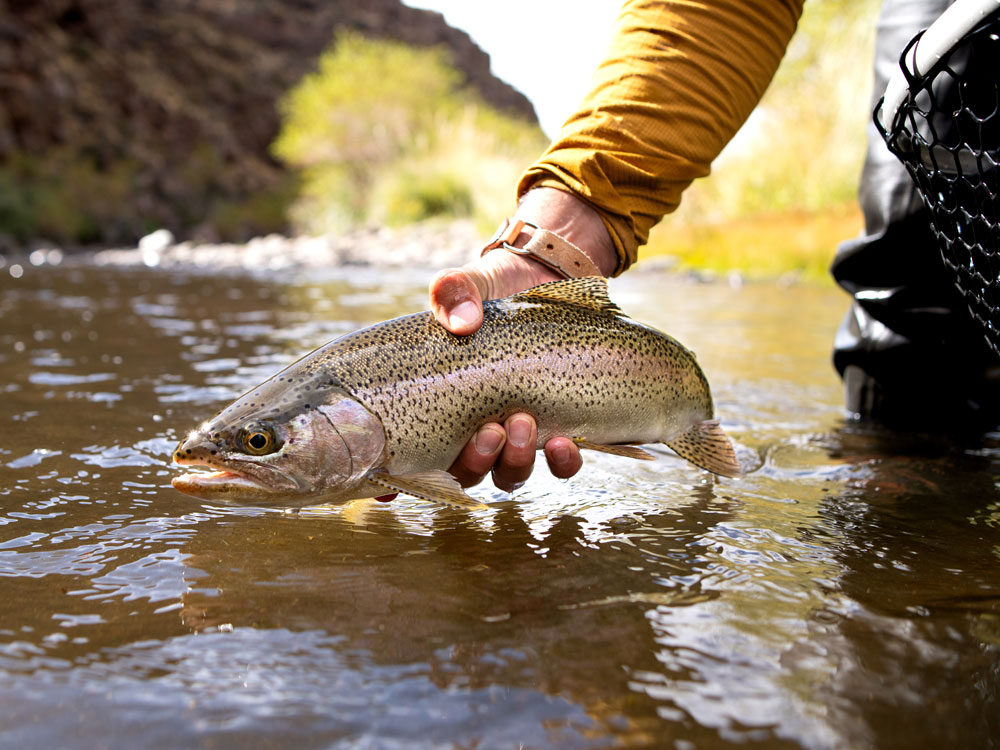
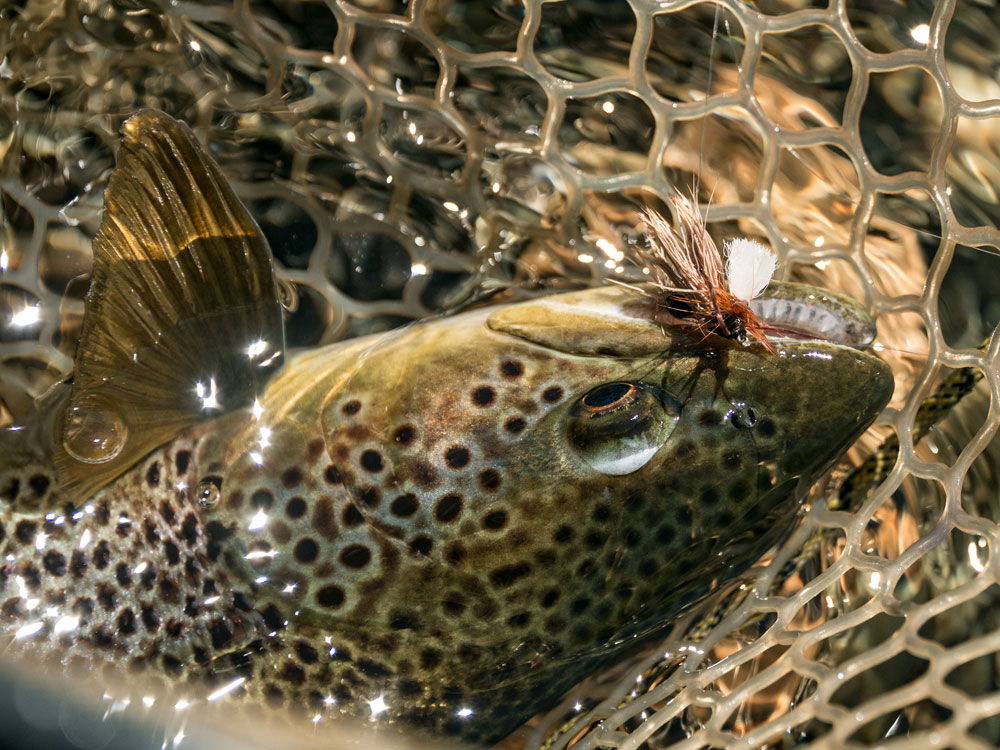
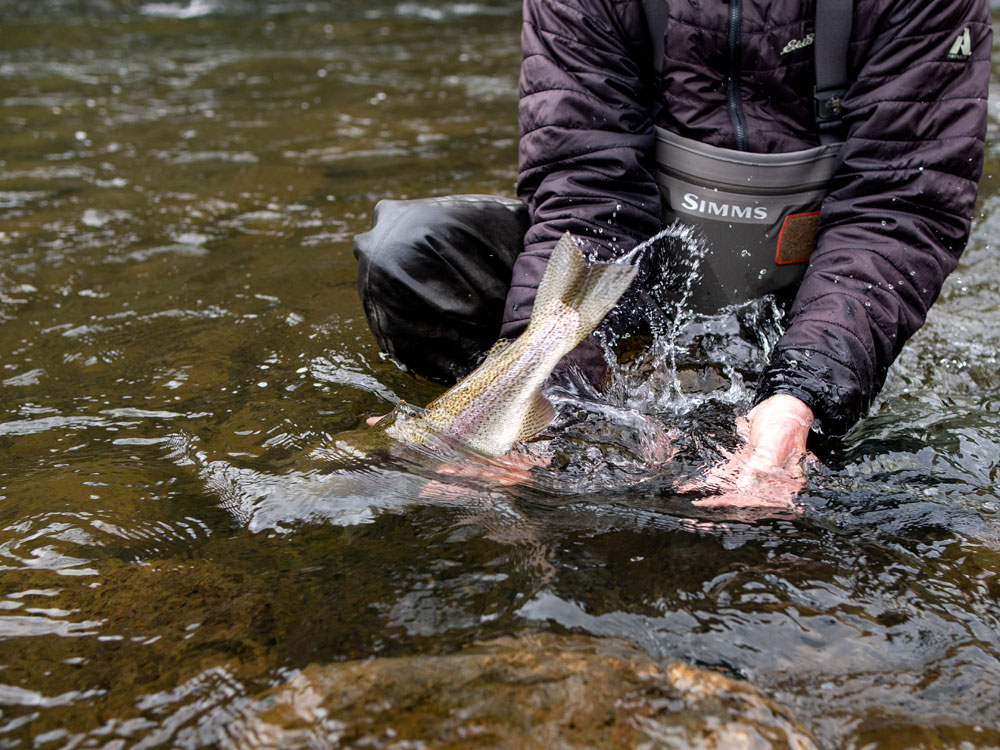
For the next two weeks, from the last days of March into mid-April, the hatch became the Codihue’s heartbeat. Some afternoons it was a full-blown spectacle, other days a subtle whisper, but always carrying that rare electricity that makes you feel part of something secret. Patagonia has its famous moments – the Limay’s Minnow Migration, the dragonfly hatches in the Lake District – but here, in Northern Neuquén province, this was something entirely its own.
Next season, we’ll be waiting for it again. Not just for the fishing, but for the privilege of standing in the middle of the Codihue as it comes alive in gold and light. And we’d be glad to share it with anyone lucky enough to be there when the case caddis return.