
These are my home waters.
I fish them regularly, season after season, and have done so for more than 35 years. I know their moods, their rhythms, and their quiet changes. And yet, every once in a while, they still manage to surprise me. That, perhaps, is one of the greatest gifts Patagonia continues to offer.
This early season has been different. A notably dry period across much of Northern Patagonia has altered familiar patterns in subtle but fascinating ways. Traditionally, strong dragonfly activity belongs more to our lakes in the Andean Lake District, where large trout cruise the shallows hunting adult insects, creating one of the most visual and exciting fisheries anywhere in the world. This year, however, those conditions pushed dragonflies deep into rivers as well—places where we don’t usually expect such abundance.
And that shift changed everything.
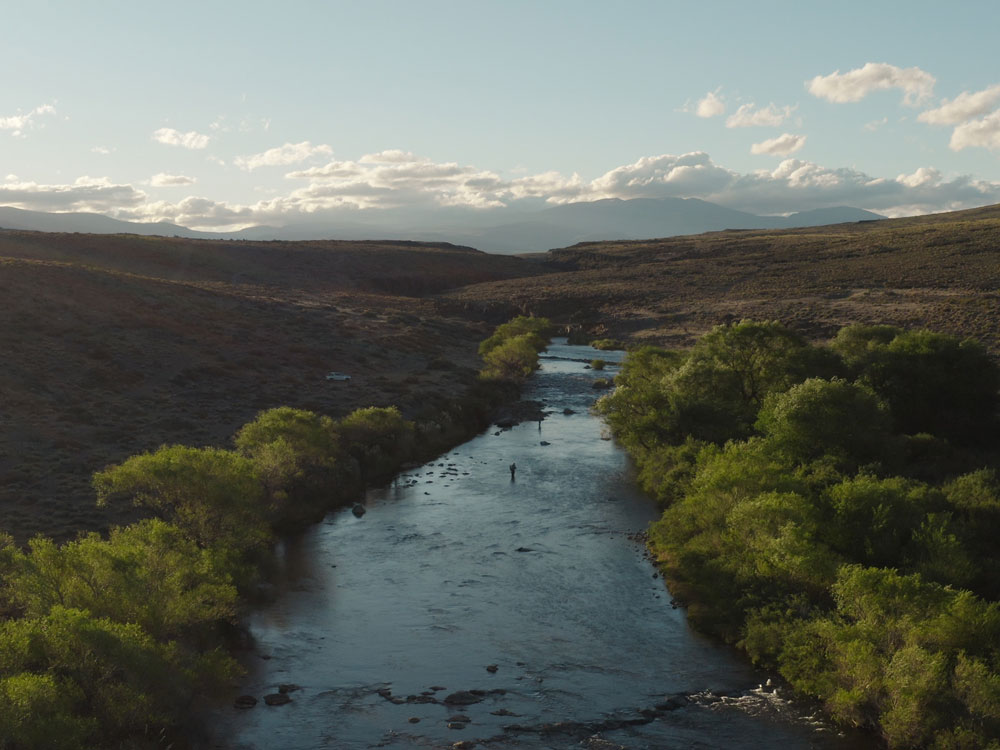
Last weekend, I was fishing at Rakin Lodge, on the Codihue River, during an unusually warm early-season stretch. The river was in that beautiful phase where it still feels partly undiscovered—new pools reveal themselves, and you sense that some of the biggest fish are holding water you’re only just learning to read.
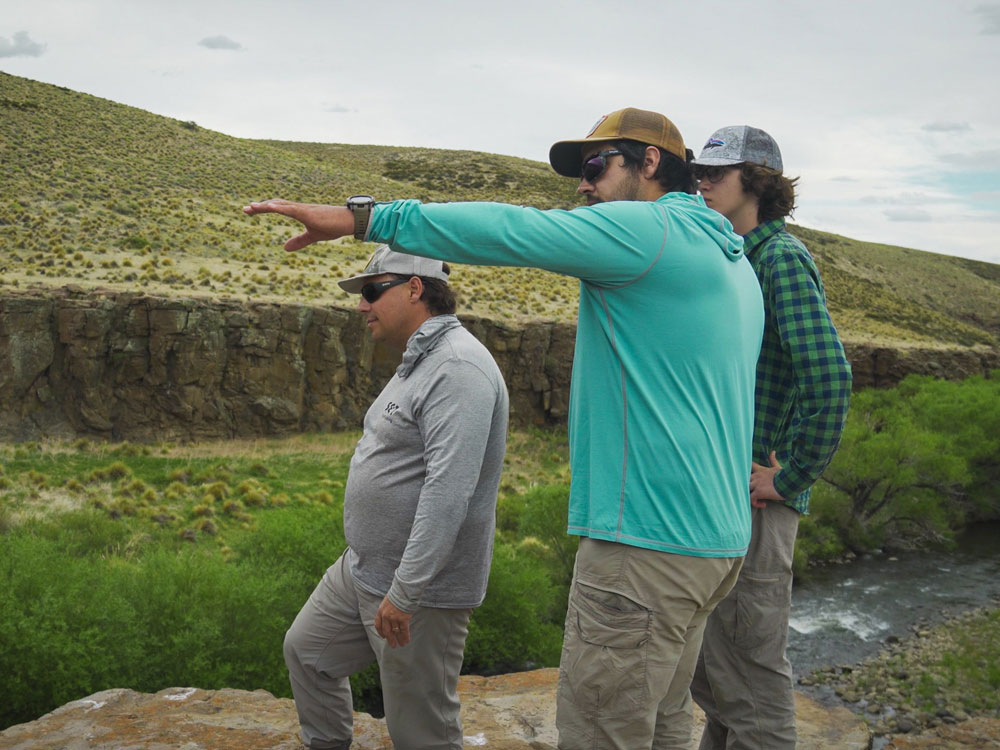
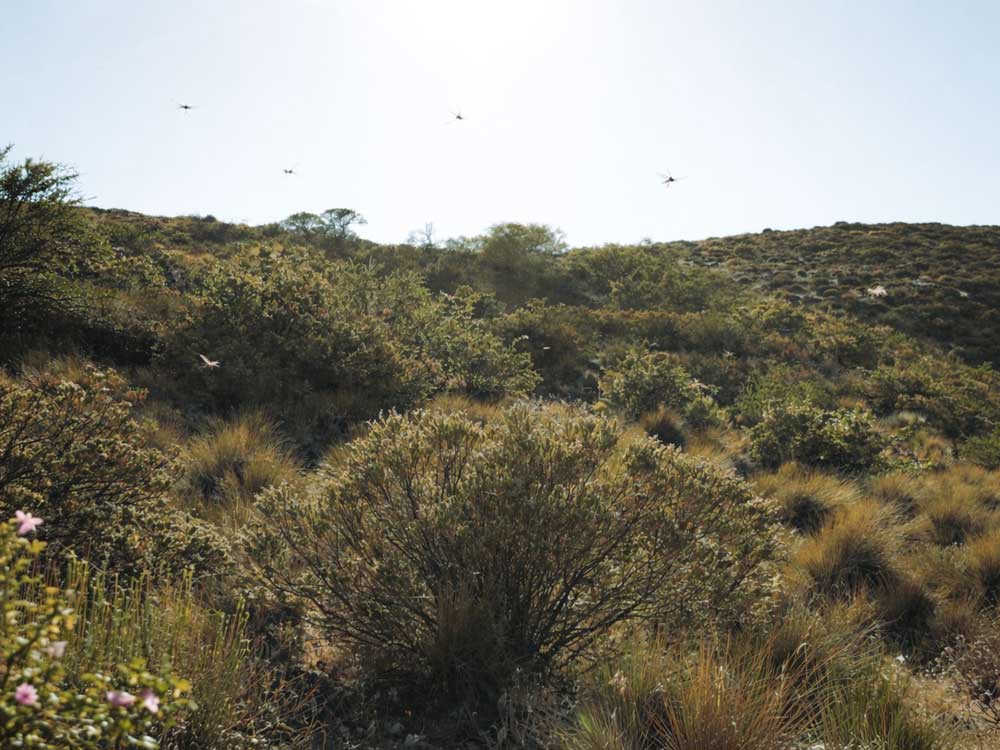
The dragonfly activity was extraordinary. Large adults of different species, colors, and sizes filled the air from morning through late afternoon. Clouds of them hovered above the river, and the trout were fully tuned in. You could feel the tension in the water—everything was feeding.
We fished early, rested through midday, and returned for the afternoon session. By around 6 p.m., the river shifted once more. While dragonflies were still everywhere, mayflies and caddis began to hatch, as they often do on the Codihue.
What followed was one of those rare moments when nature layers itself perfectly.
Smaller and medium-sized trout rose steadily to mayflies and caddis, sipping calmly. Larger fish moved with purpose. And above them all, dragonflies became predators themselves, hunting smaller insects in mid-air. Dragonflies feeding on mayflies. Trout feeding on mayflies. And other trout launching out of the water, trying to intercept dragonflies.
Everything was happening at once.
It’s hard to fully describe the magic of those moments—the warm evening light, the soft glow on the river, insects everywhere, fish feeding in every possible way. At times, it was difficult to even make a cast without stopping to simply watch. Standing in the river or sitting quietly on the bank, you felt like a witness to something both chaotic and perfectly balanced.
Of course, we caught some remarkable fish. But more importantly, we experienced something rare.
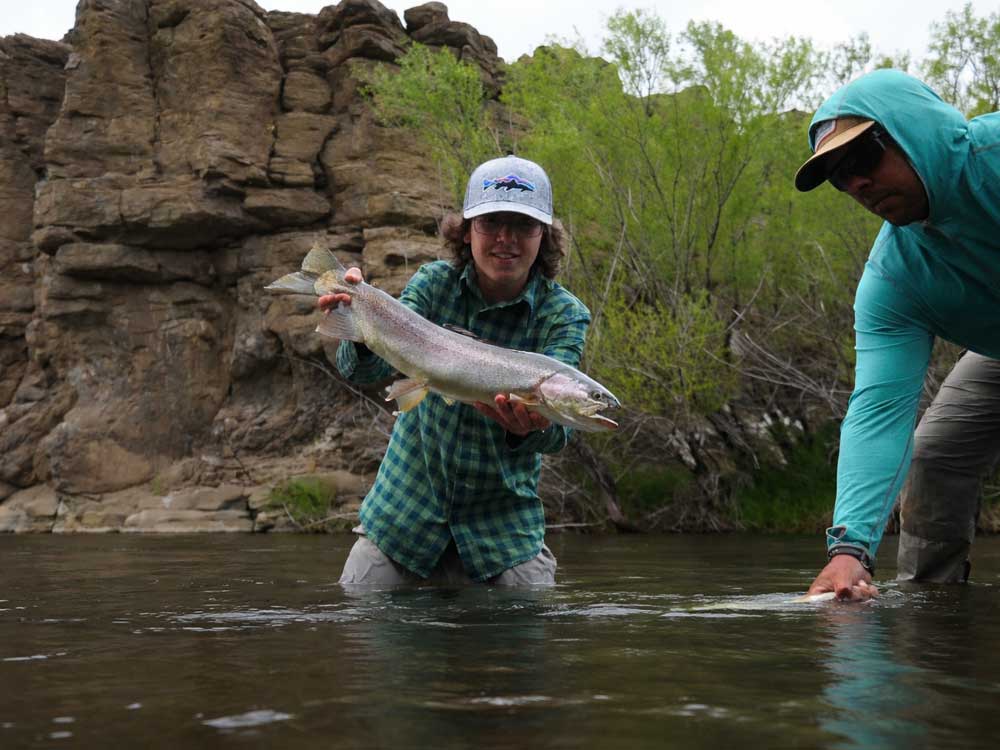
We stayed on the Codihue for several more days, and each evening repeated the same miracle. The same light. The same abundance. The same feeling.
Moments like these remind me why fly fishing—especially dry-fly fishing—never stops teaching humility and wonder. No matter how long you’ve dedicated your life to these rivers, there are days when they take you back to childhood—when the excitement feels pure again, instinctive and effortless.